

Living in a cozy space doesn’t mean you have to give up style or comfort.
I’ve picked up so many clever tricks over the years. Things that actually work. Tricks that transform cramped living rooms into spaces that feel open and airy.
And here’s the best part?
You don’t need to knock down walls or move to a bigger house.
When I first moved into my small living room, I felt totally overwhelmed. The space seemed cramped. Limiting. Like I couldn’t do anything with it.
But then I started experimenting.
Different furniture arrangements. Color choices. Lighting tricks.
And wow… the difference was incredible.
In this guide, I’m sharing 17 methods that actually work. These aren’t just theories I read somewhere. They’re real solutions I’ve used in my own home.
You’ll learn about:
- Lighting tricks that open up your space
- Smart furniture choices
- Color psychology basics
- Storage solutions that don’t eat up floor space
Whether you’re decorating your first apartment or giving your current space a refresh, these ideas will help you squeeze every bit of potential from your square footage.
Ready to fall in love with your small living room all over again?
Let’s dive in.
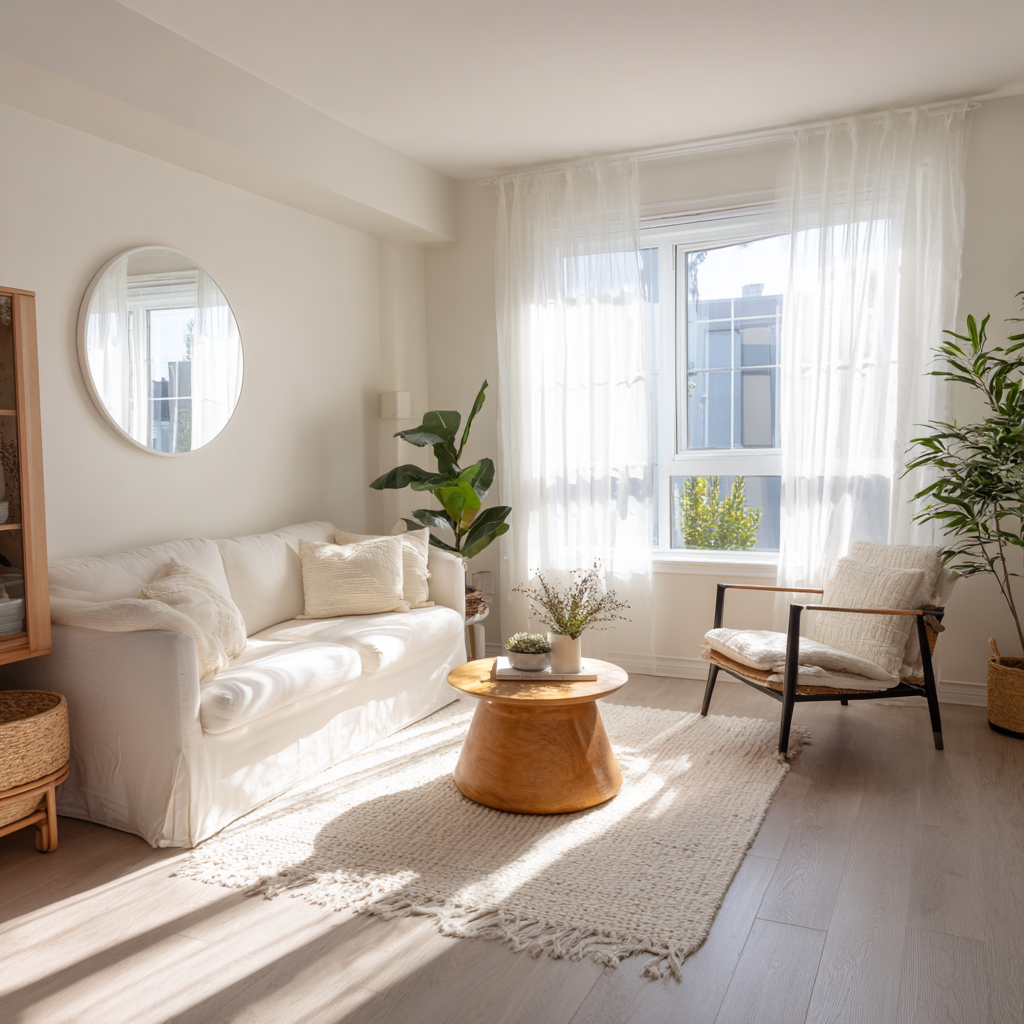
1. Choose Light, Neutral Wall Colors
Light colors are pure magic for small spaces.
I painted my living room walls soft white last year. The transformation? Mind-blowing.
Light hues reflect natural light like crazy. They create this illusion of space that darker colors just can’t pull off.
Think about it…
Neutrals like cream, beige, pale gray, and off-white make your space feel calm. Cohesive. Like everything belongs together.
My go-to recommendations? Alabaster White or Swiss Coffee. Both give you that warm, inviting feel without making the room feel cold.
But here’s what I really love about neutral walls…
You can switch up your accent colors anytime. New pillows? Different throws? Fresh artwork? No problem. You don’t have to repaint a single thing.
2. Use Mirrors Strategically
Want to know my absolute favorite trick?
Mirrors.
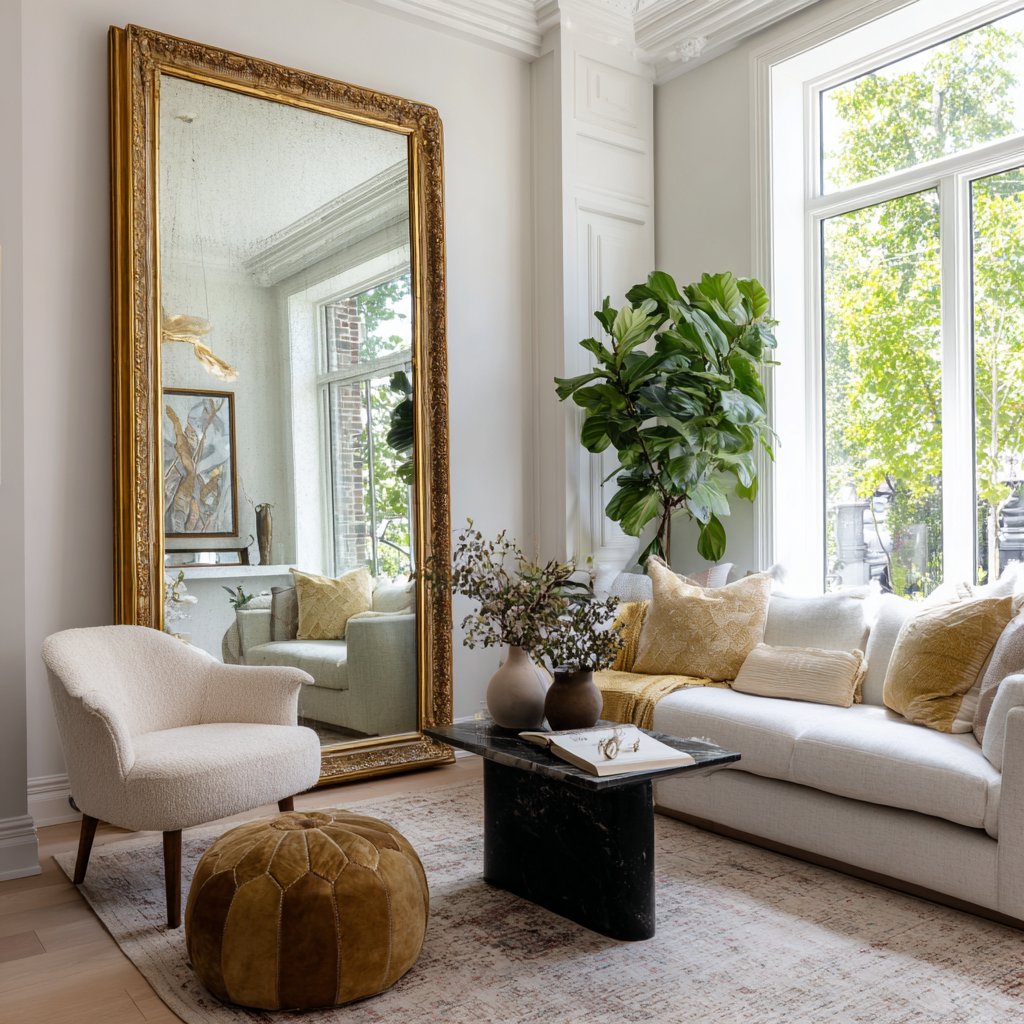
I’m serious. Place a large mirror opposite a window and boom… you’ve basically doubled your natural light.
The reflection creates visual depth. Your eye gets tricked into thinking there’s more space than there actually is.
I hung this oversized mirror with a sleek frame above my sofa. Every single guest who walks in comments on how spacious the room feels.
Mirrors bounce light everywhere. They eliminate those dark corners that make spaces feel cramped and cave-like.
Here’s a quick tip…
Try leaning a full-length mirror against a wall. It gives you that casual, modern vibe. Or arrange multiple smaller mirrors in an artful way.
Just one warning: Don’t place mirrors where they reflect clutter. That’ll backfire fast.
3. Opt for Furniture with Exposed Legs
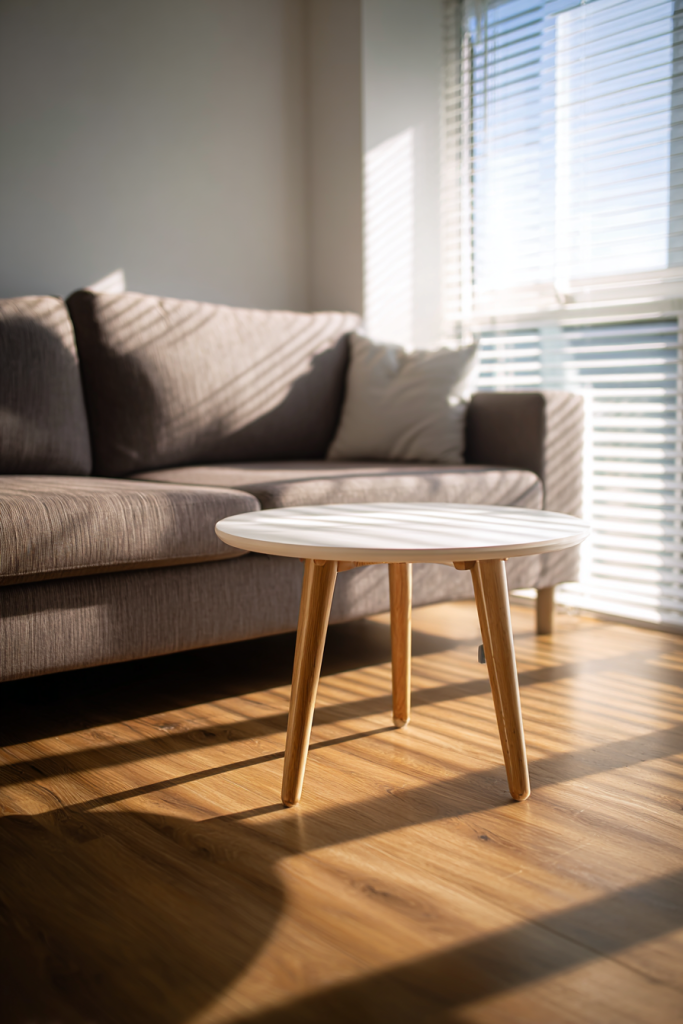
Furniture sitting directly on the floor makes a room feel heavy.
Like it’s weighing everything down.
I switched to pieces with exposed legs, and suddenly? My floor space felt so much more open.
When you can see the floor underneath your furniture, it creates airiness. Visual breathing room.
Sofas, chairs, coffee tables… anything with slender legs lets light flow underneath. Mid-century modern and Scandinavian styles nail this principle.
Aim for furniture legs at least four to six inches high. Tapered wooden legs in natural finishes work with pretty much any decor style.
This simple swap creates the illusion of more floor space. And you’re not sacrificing functionality or comfort at all.
4. Embrace Vertical Storage Solutions
Floor space limited?
Think vertical.
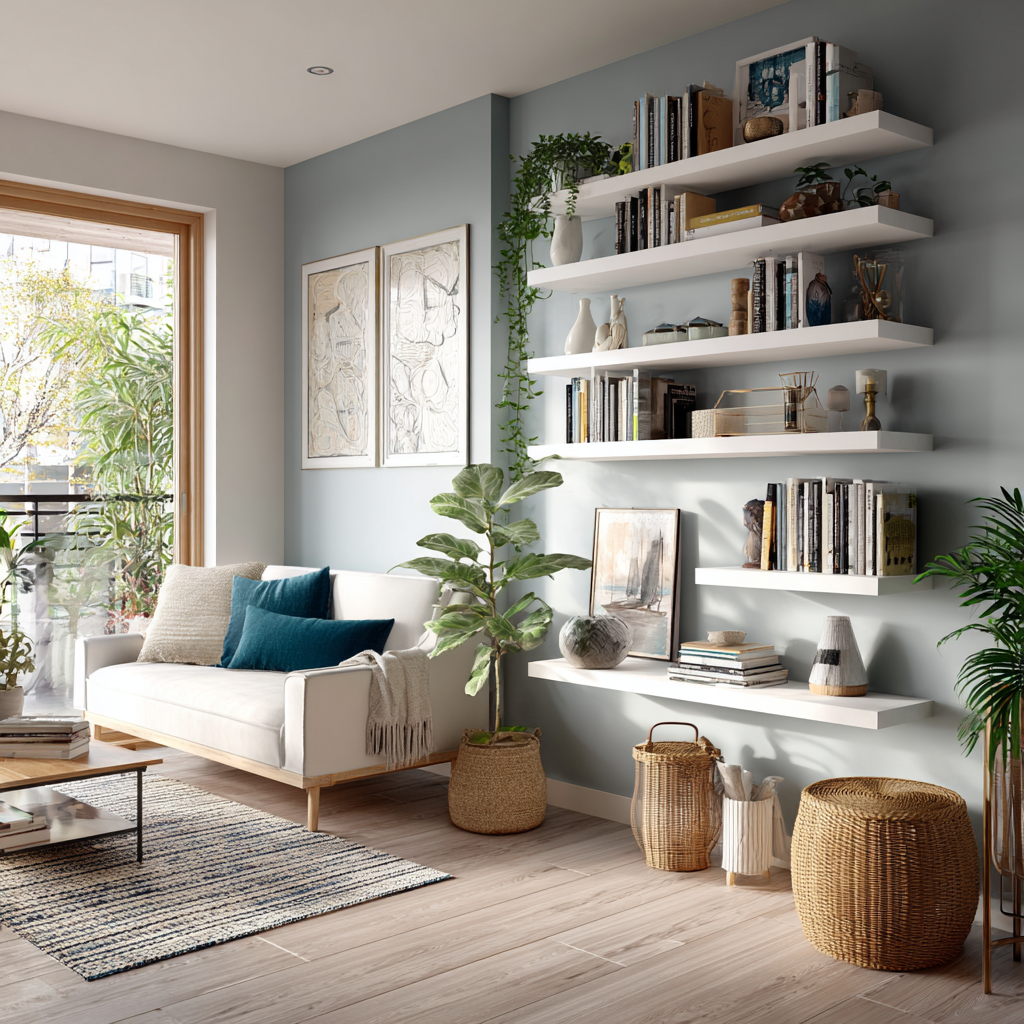
I installed floating shelves last summer. They draw your eye upward and maximize wall space like nobody’s business.
Tall bookcases and storage units use height instead of eating up precious floor space. It’s such a simple concept, but people forget about it all the time.
Vertical storage creates the illusion of higher ceilings. Plus, you get functional organization without making your room feel cramped.
The key? Keep those shelves organized. Don’t overstuff them.
I love using tall, narrow cabinets in corners that would otherwise just sit there empty. Your belongings stay accessible. Your floor plan stays open.
Bonus: Wall-mounted storage makes cleaning underneath furniture way easier.
5. Select a Low-Profile Sofa
Your sofa is probably the biggest piece in your living room.
So choosing wisely? That matters.
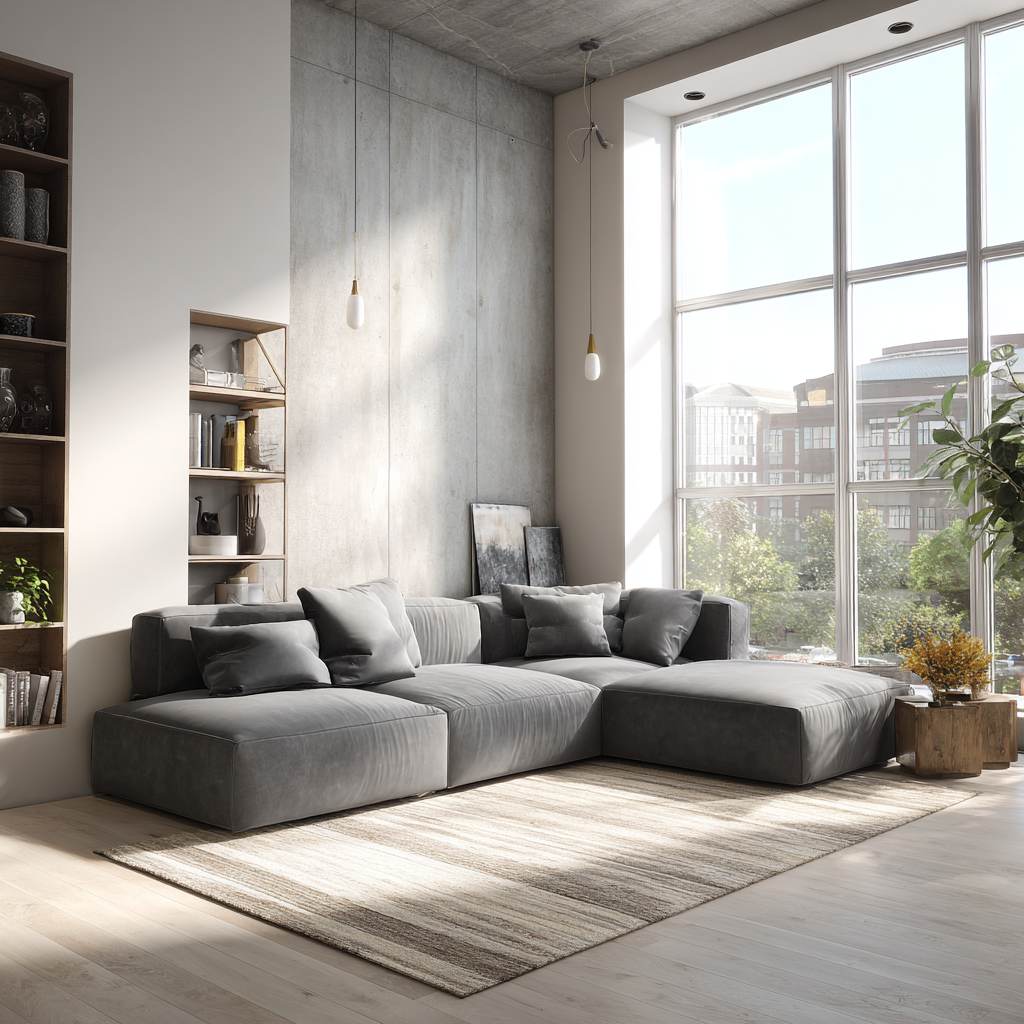
I went with a low-profile sectional. Streamlined silhouette. It completely opened up my space because lower furniture doesn’t block your sight lines across the room.
Look for sofas with lower backs and shallower depths. They take up less visual weight.
This creates an impression of more wall space. Higher ceilings.
Skip the overstuffed traditional styles. Go for modern designs with clean lines instead.
A sofa around 30-32 inches high works perfectly for small living rooms. Pair it with low-slung armchairs to keep everything consistent.
6. Use Glass or Lucite Furniture
Transparent furniture is like a secret weapon.
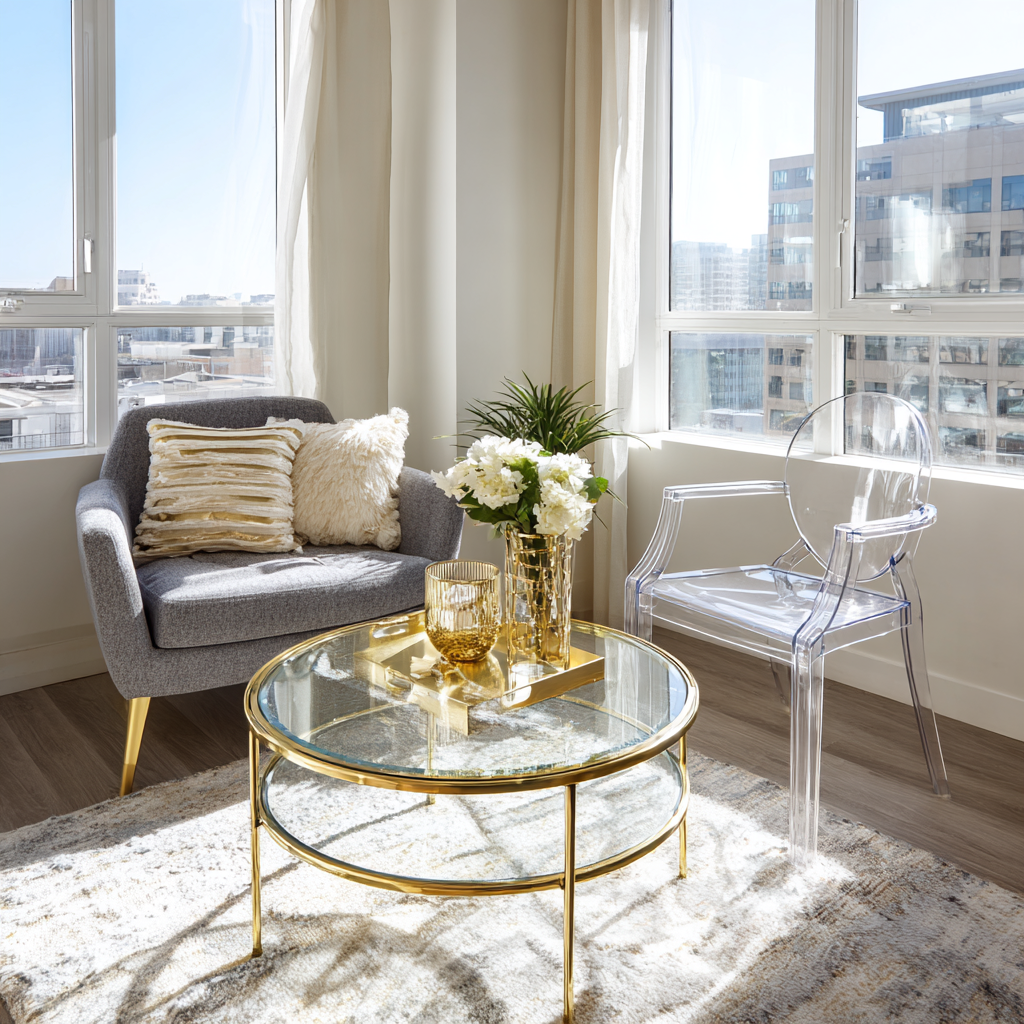
I added a glass coffee table to my living room. It practically disappears while staying completely functional.
Clear materials create zero visual barriers. Your room feels instantly larger.
Lucite chairs. Glass side tables. Acrylic console tables. They all let light pass straight through them.
Your space stays feeling open. Uncluttered.
These pieces work with any decor style too. Modern, traditional, whatever you’re into.
Here’s what I love most…
An acrylic coffee table shows off your beautiful rug underneath. Ghost chairs create seating without blocking floor space.
They serve their purpose without adding visual weight.
7. Hang Curtains High and Wide
This curtain trick transformed my living room overnight.
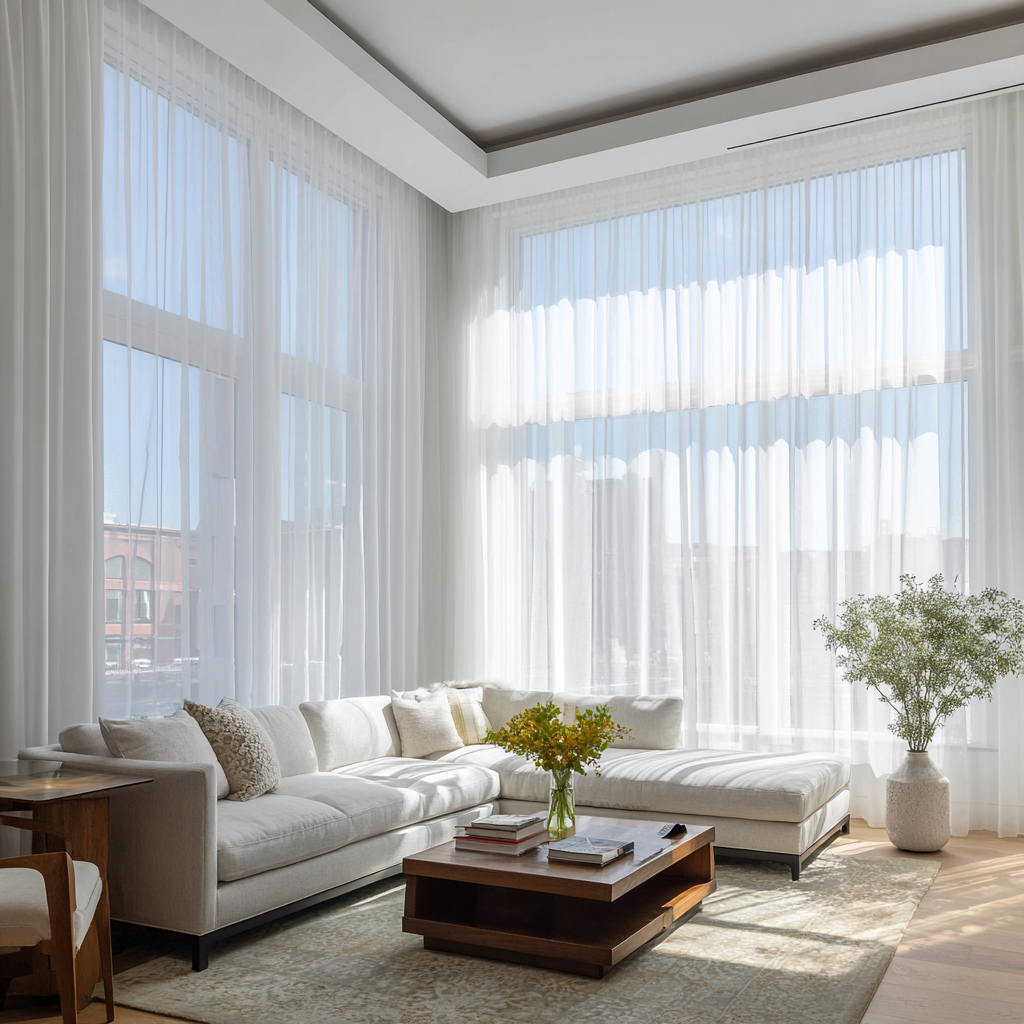
Hang your curtain rods close to the ceiling. Not just above the window… way up there near the ceiling.
Why?
It creates vertical lines that draw your eyes upward. Makes your ceilings look way higher than they actually are.
Also, extend your curtain rod beyond the window frame. Both sides.
This lets curtains stack outside the window when they’re open. Maximum natural light comes flooding in. Your windows look larger and more impressive.
Go for floor-length curtains in light, flowing fabrics. I’m obsessed with sheer white or cream curtains. They diffuse natural light beautifully.
Stay away from heavy, dark drapes. They make small living rooms feel like caves.
8. Create a Cohesive Color Palette
Sticking to a unified color scheme makes spaces feel larger.
It’s all about visual harmony.
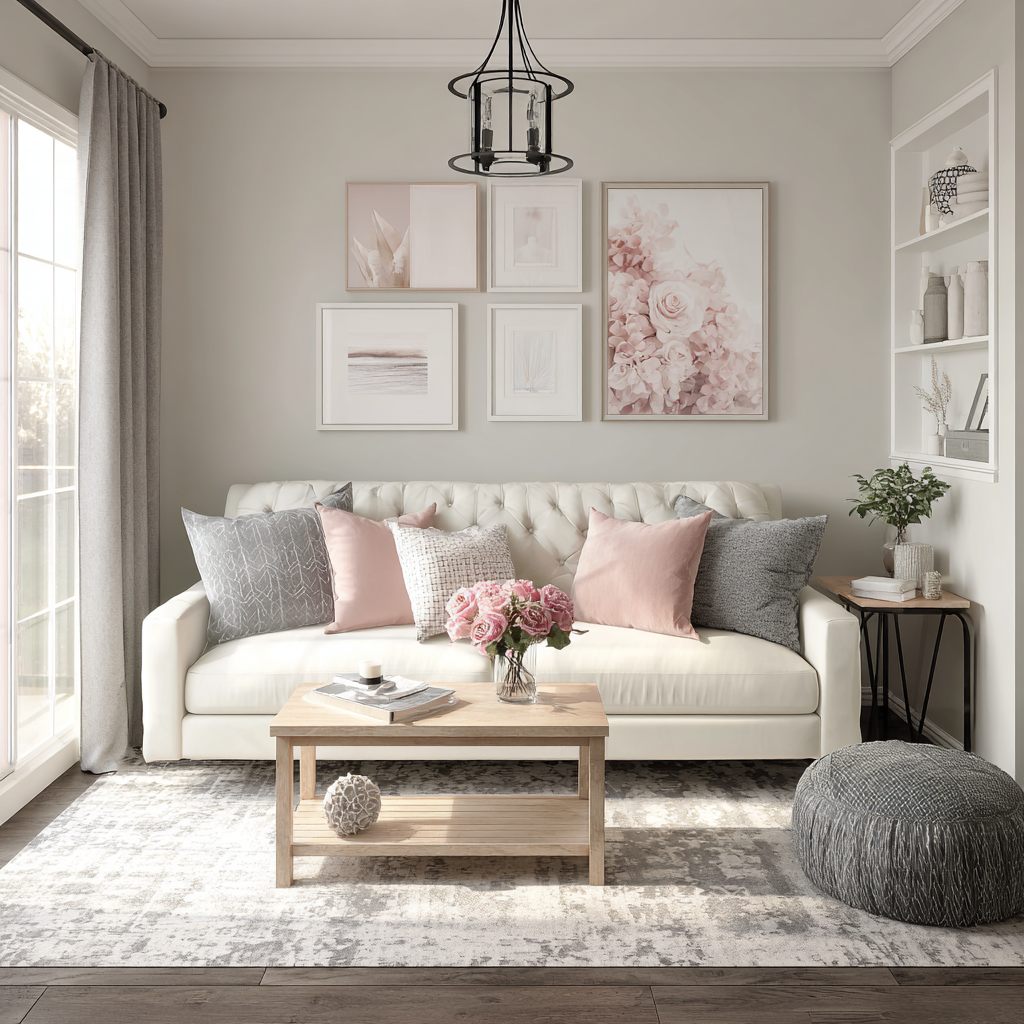
I chose whites, soft grays, and blush pink accents for my room. This cohesiveness prevents that choppy, cluttered look that makes rooms shrink.
Limit your main colors to two or three complementary shades. Use them consistently across walls, furniture, and accessories.
When everything flows together? Your eye travels smoothly around the room. It doesn’t stop at jarring contrasts.
Now, this doesn’t mean everything has to match perfectly. That’s boring.
Instead, choose varying shades within your palette. Layer textures and patterns in similar tones.
You get depth and interest. No visual chaos.
9. Incorporate Multifunctional Furniture
Space-saving furniture is absolutely essential in small living rooms.
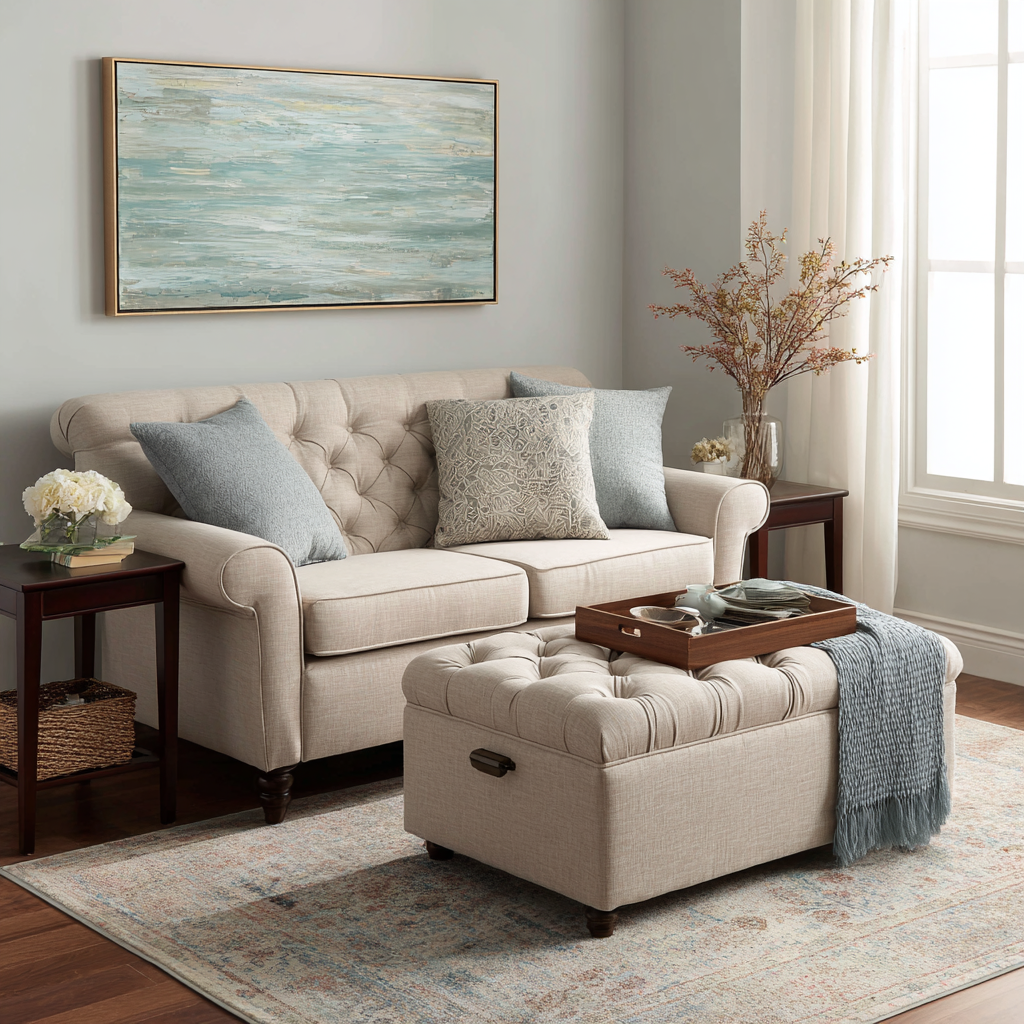
I invested in an ottoman that doubles as storage and extra seating. Multifunctional pieces reduce clutter while serving multiple purposes.
Crucial when square footage is tight.
Consider a sofa bed for overnight guests. Coffee table with hidden compartments. Nesting tables that spread out when needed and tuck away when not.
These smart solutions maximize functionality without overcrowding your space.
Look for pieces that work hard without taking up extra room…
A console table behind your sofa can become a desk or dining surface. Storage benches provide seating plus hidden spots for blankets and magazines.
10. Maximize Natural Light
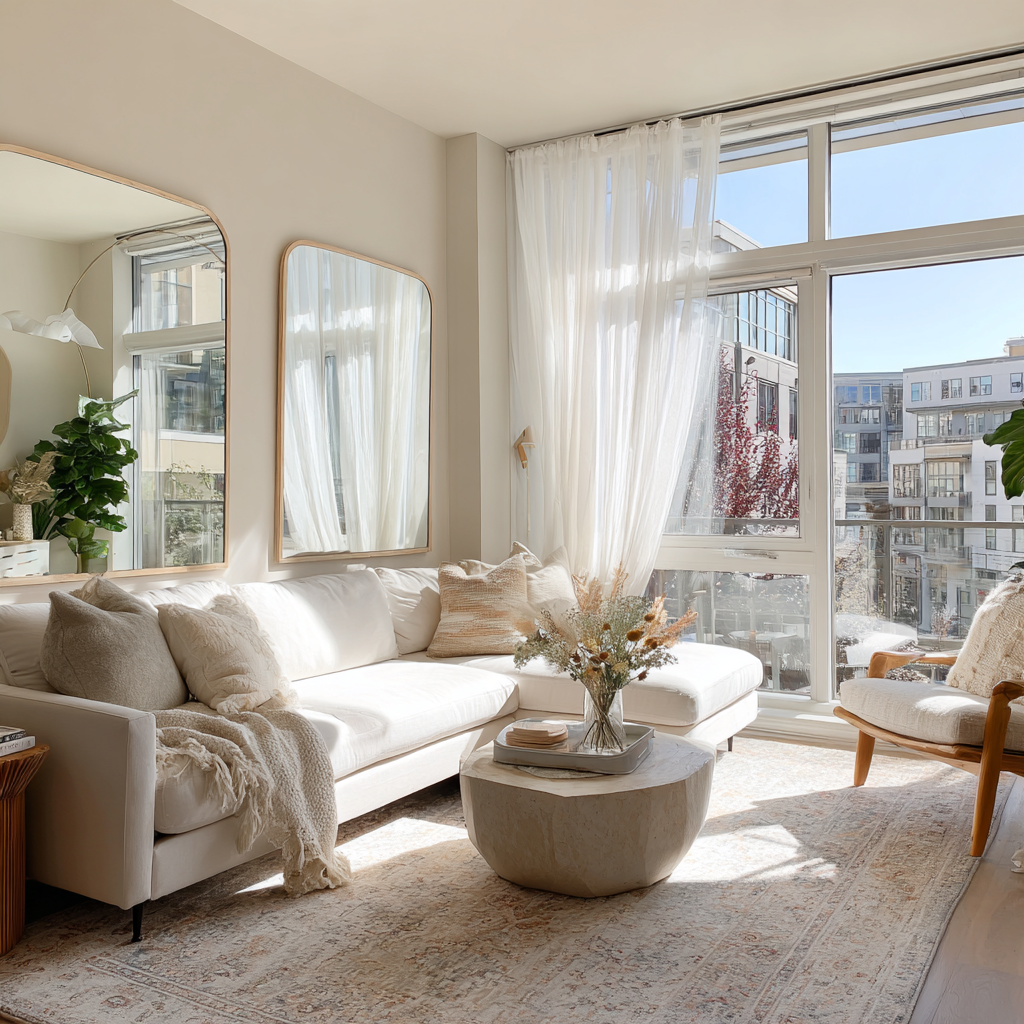
Nothing beats abundant natural light for making a small living room feel bigger.
Nothing.
I removed my heavy window treatments and embraced the sunshine. Natural light wipes out shadows and dark corners that make rooms feel cramped.
Keep windows as unobstructed as possible.
Privacy concerns? Go for sheer curtains or top-down bottom-up shades. You get coverage while still letting generous light filter through.
Clean your windows regularly. It’s crazy how much brighter rooms become when you actually wash the glass.
Trim any outdoor plants blocking windows. Position mirrors to bounce natural light deeper into your space.
These small efforts? They create a dramatically more open feeling.
11. Choose One Statement Piece
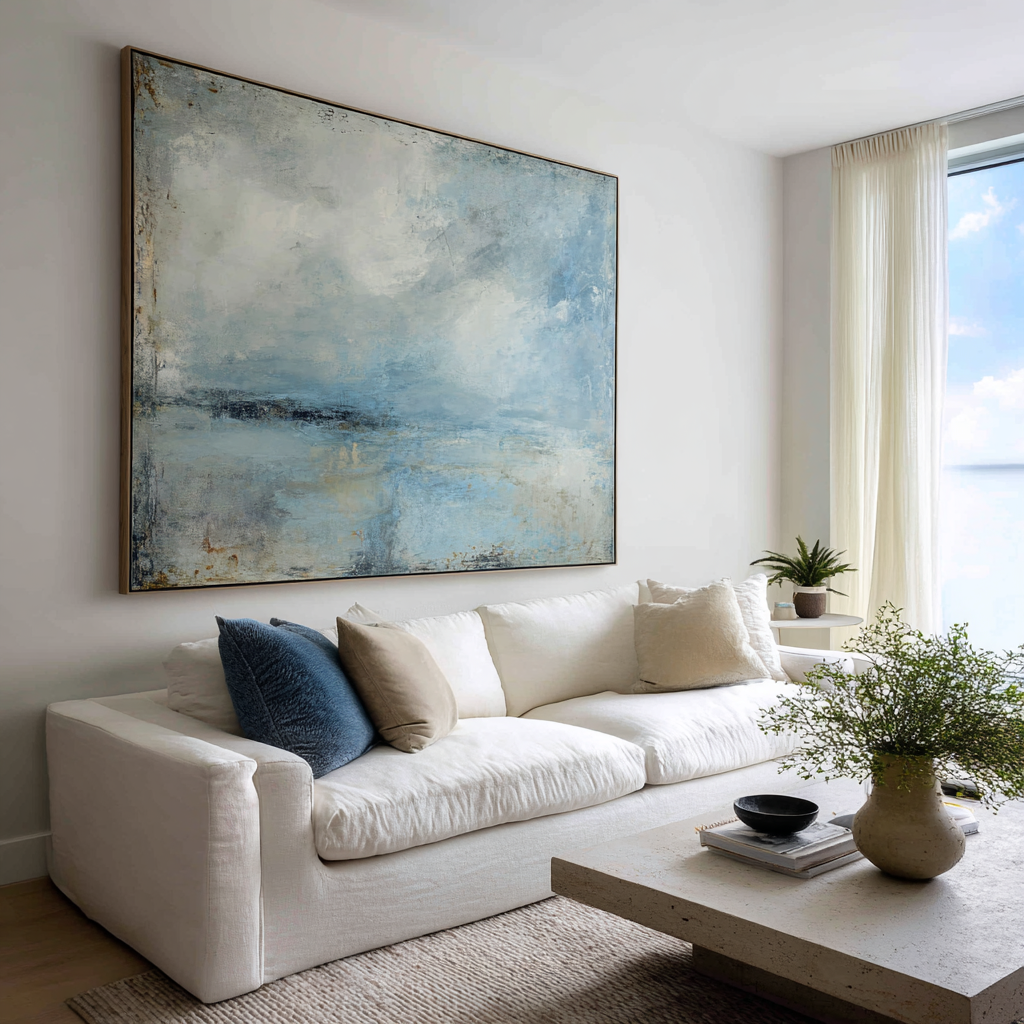
Rather than filling your small living room with multiple competing elements, pick one stunning focal point.
I chose a bold piece of artwork above my sofa.
This single statement piece draws the eye. Creates interest. Doesn’t clutter your space.
A large-scale focal point actually makes rooms feel bigger than several smaller decorations would. Your eye settles on one beautiful element instead of bouncing around frantically.
Creates calm. Intentional design.
Your statement piece could be artwork. An accent wall. A stunning light fixture. Even a gorgeous rug.
Whatever you choose? Let it shine by keeping surrounding elements more subdued.
12. Use Rugs to Define Zones
Area rugs are fantastic tools for making small living rooms feel organized.
Intentional.
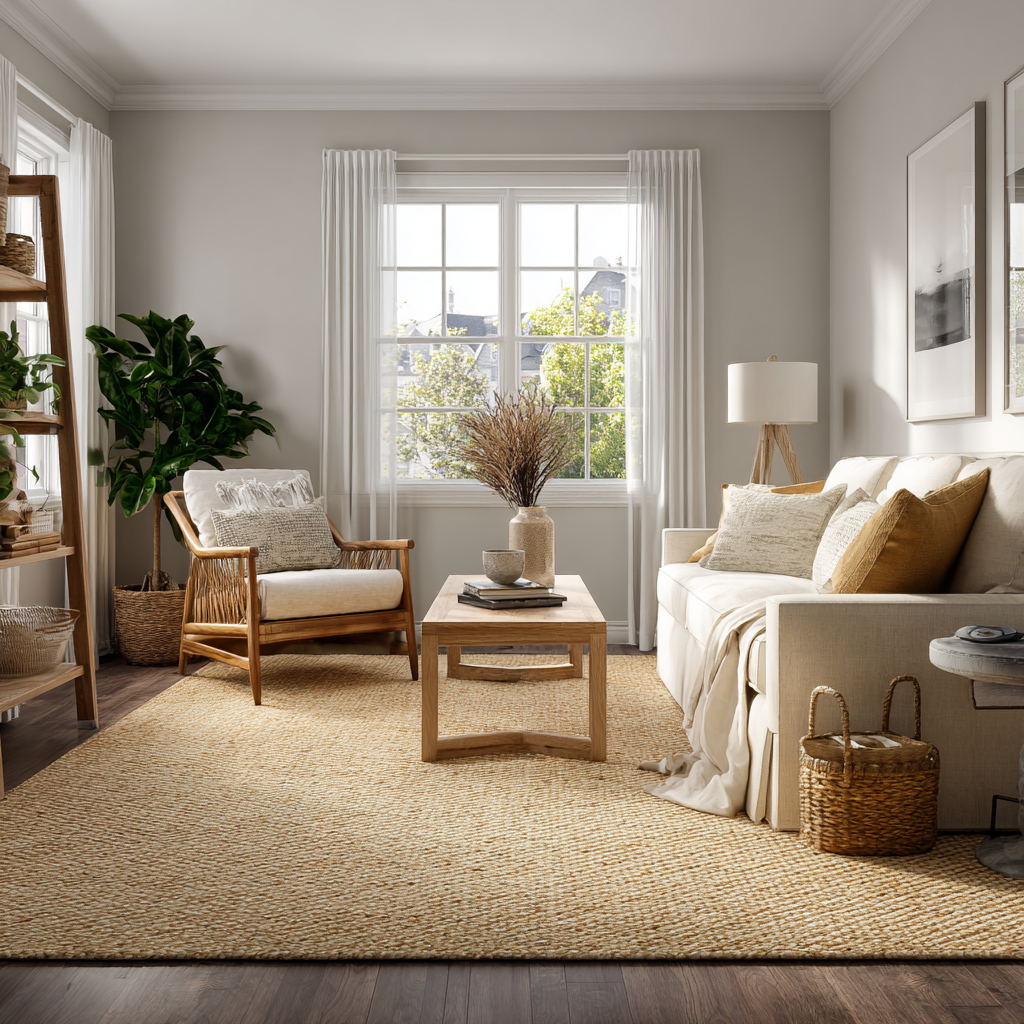
I used a large rug to anchor my seating area. Created definition without putting up physical barriers.
This zoning technique adds structure while maintaining openness.
Choose a rug large enough that all front furniture legs rest on it. This creates cohesion. Makes your seating area feel purposeful and complete.
Too-small rugs? They actually make rooms feel smaller and disjointed.
Light-colored rugs with subtle patterns work beautifully in small spaces. I’m a huge fan of jute or sisal. Natural texture without visual weight.
A well-chosen rug adds warmth and comfort while enhancing your room’s spacious feel.
13. Keep Decor Minimal and Intentional
Less truly is more when it comes to small living room decor.
I learned to curate rather than collect. Display only my favorite pieces.
Each item serves a purpose or brings genuine joy. This intentionality creates breathing room.
Don’t cover every surface with knickknacks and accessories. Group a few beautiful items together in odd numbers instead.
This creates visual interest without overwhelming your space.
Rotate your decor seasonally. Keeps things fresh without storing everything at once.
Edit ruthlessly. Display only what you absolutely love.
This minimalist approach creates a sophisticated, spacious atmosphere. Curated and calm.
14. Install Floating or Wall-Mounted Furniture
Getting furniture off the floor is brilliant.
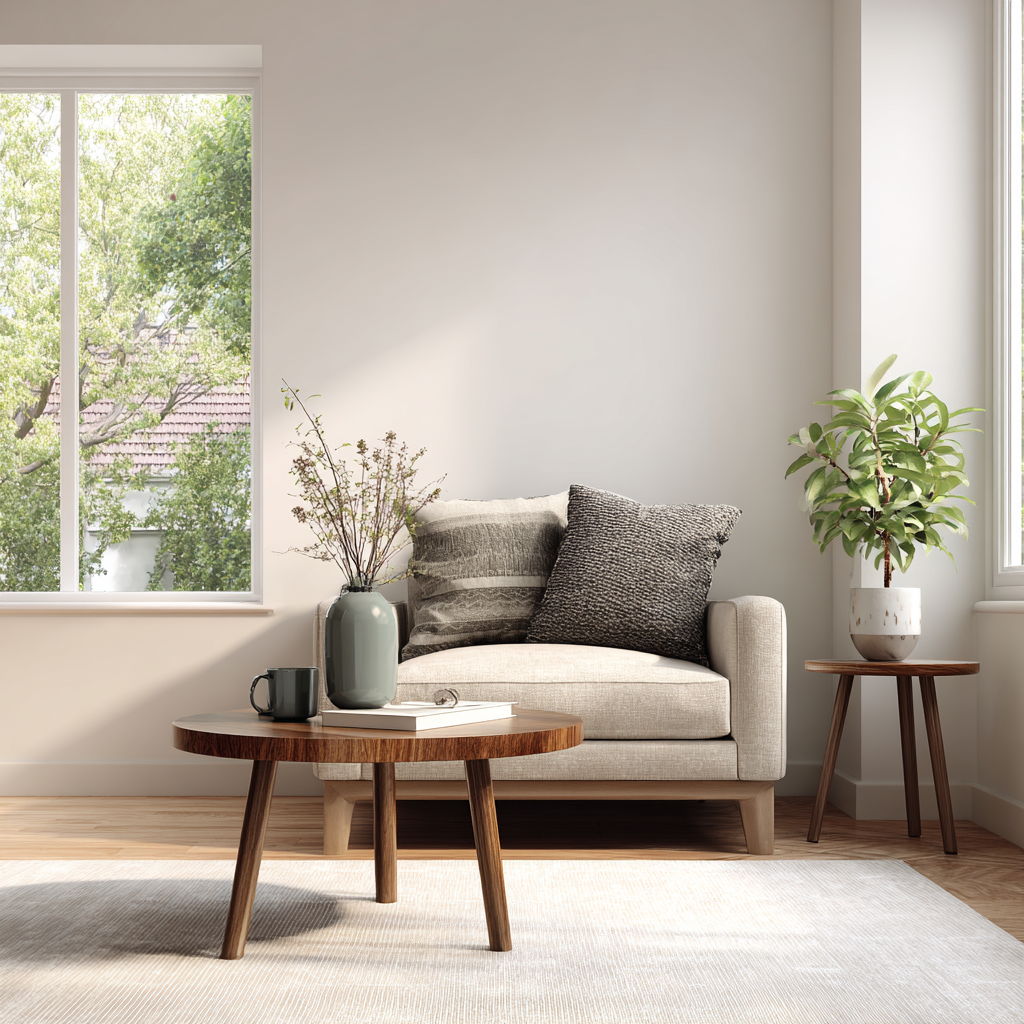
I mounted my TV console on the wall. The visible floor beneath makes my living room feel significantly more open.
Wall-mounted pieces create airiness. Make cleaning underneath effortless.
Floating shelves replace bulky bookcases while providing display and storage space. Wall-mounted desks or consoles keep floor space clear.
This approach works especially well in tight quarters where every inch counts.
The exposed floor beneath floating furniture creates visual continuity. Your eye travels uninterrupted across the space.
Feels larger.
Plus, you gain valuable storage without sacrificing that open feel you’re after.
15. Use Proper Scale Lighting
Lighting fixtures at the right scale make huge differences in small spaces.
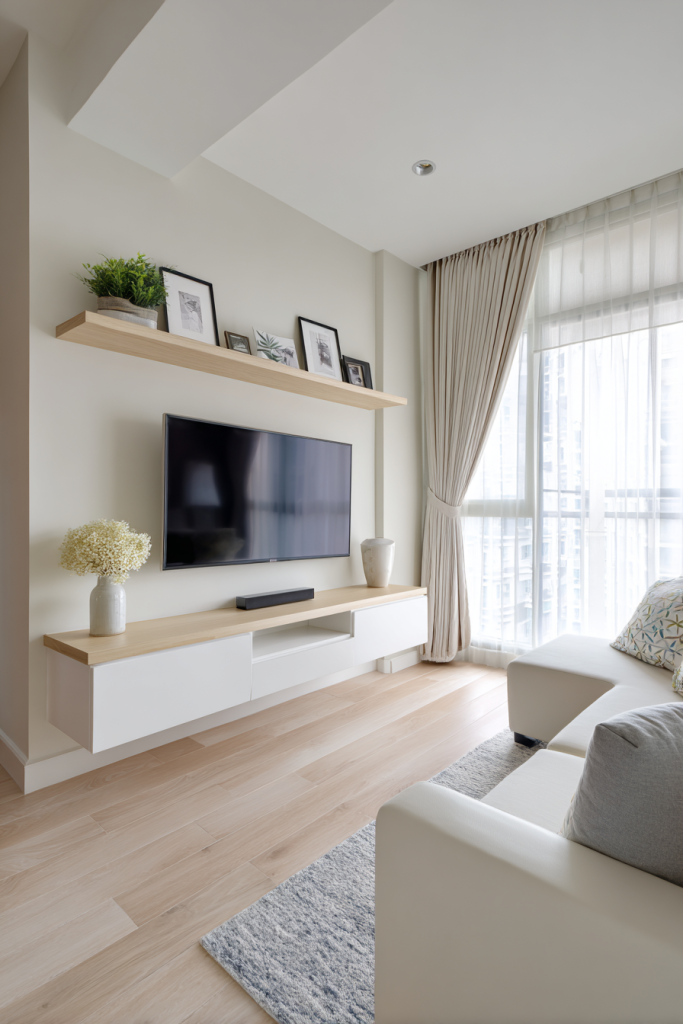
I replaced my bulky floor lamp with a slender arc lamp. Provides light without eating up floor space.
Proper lighting creates ambiance while maintaining openness.
Avoid oversized chandeliers or pendant lights that hang too low. They make ceilings feel lower. Rooms more confined.
Choose flush-mount or semi-flush ceiling fixtures instead. Illumination without visual weight.
Layer your lighting with wall sconces, table lamps, and overhead fixtures. This creates depth and dimension.
Flexibility too.
Dimmer switches let you adjust ambiance for different moods throughout the day.
16. Arrange Furniture Away from Walls
This might seem weird, but hear me out…
Floating furniture away from walls actually makes small living rooms feel bigger.
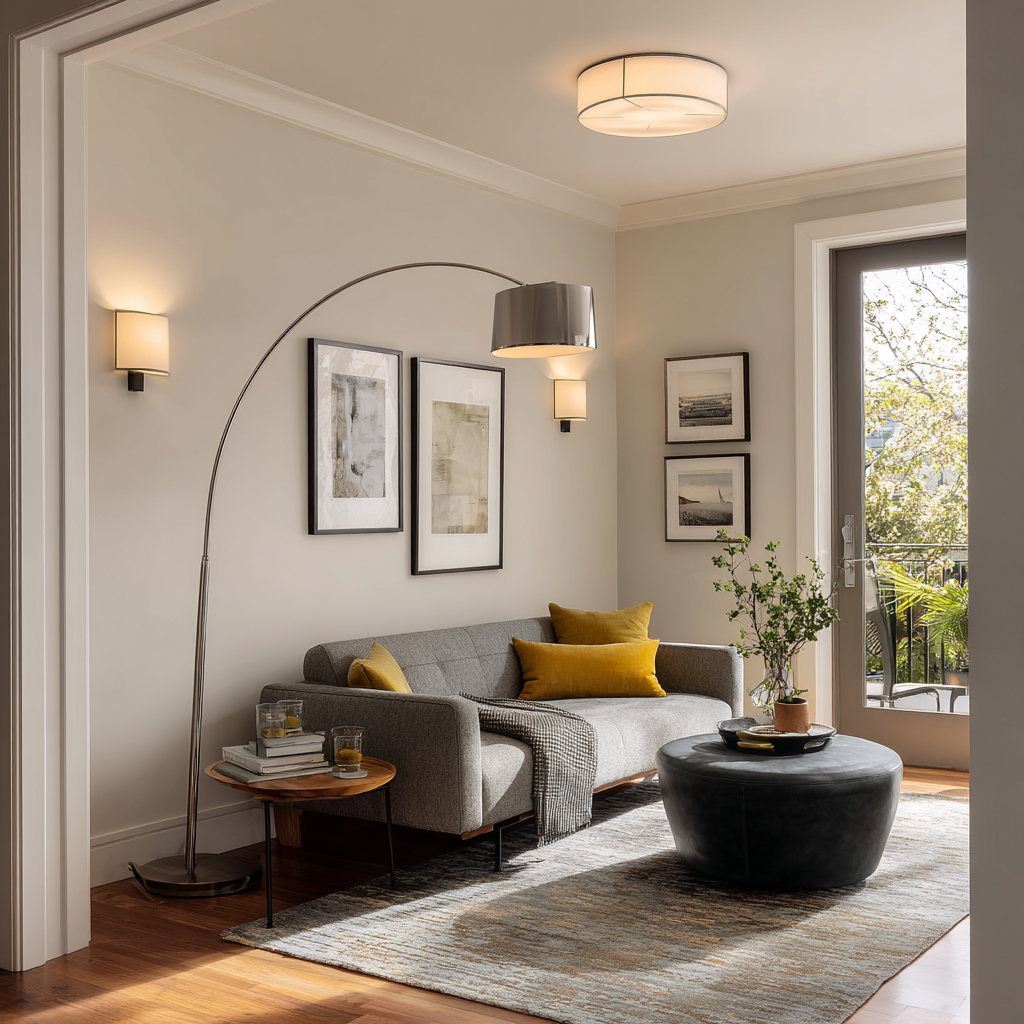
I pulled my sofa a few inches from the wall. Created pathways. The space feels more dynamic and intentional now.
When furniture sits tight against walls? Rooms feel like waiting areas. Not lived-in homes.
Strategic spacing creates flow. Visual interest.
Even just 6-12 inches of breathing room makes a noticeable difference.
This arrangement also allows better traffic flow around your seating area. Place a narrow console table behind your sofa for extra surface space and visual depth.
This layering adds dimension. Tricks the eye beautifully.
17. Add Vertical Lines with Decor
Vertical elements draw the eye upward.
Create the illusion of height.
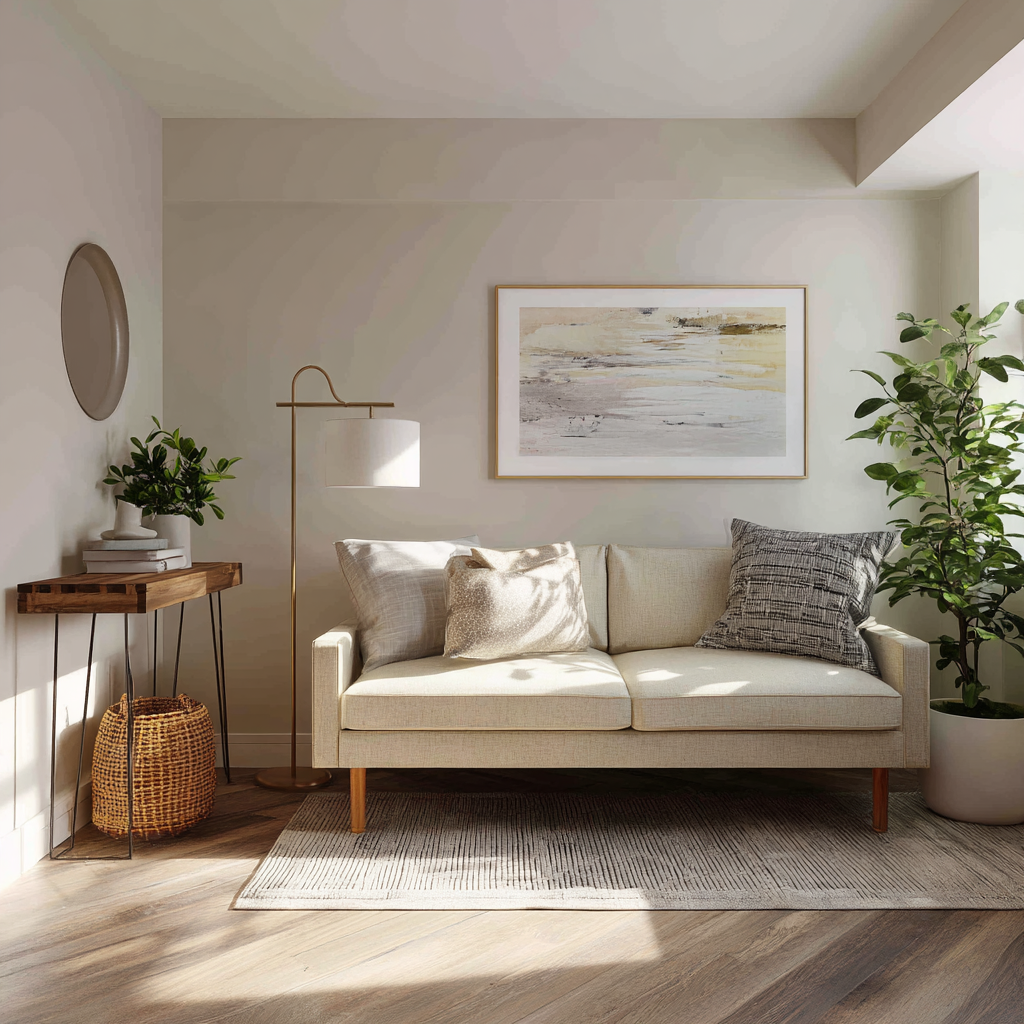
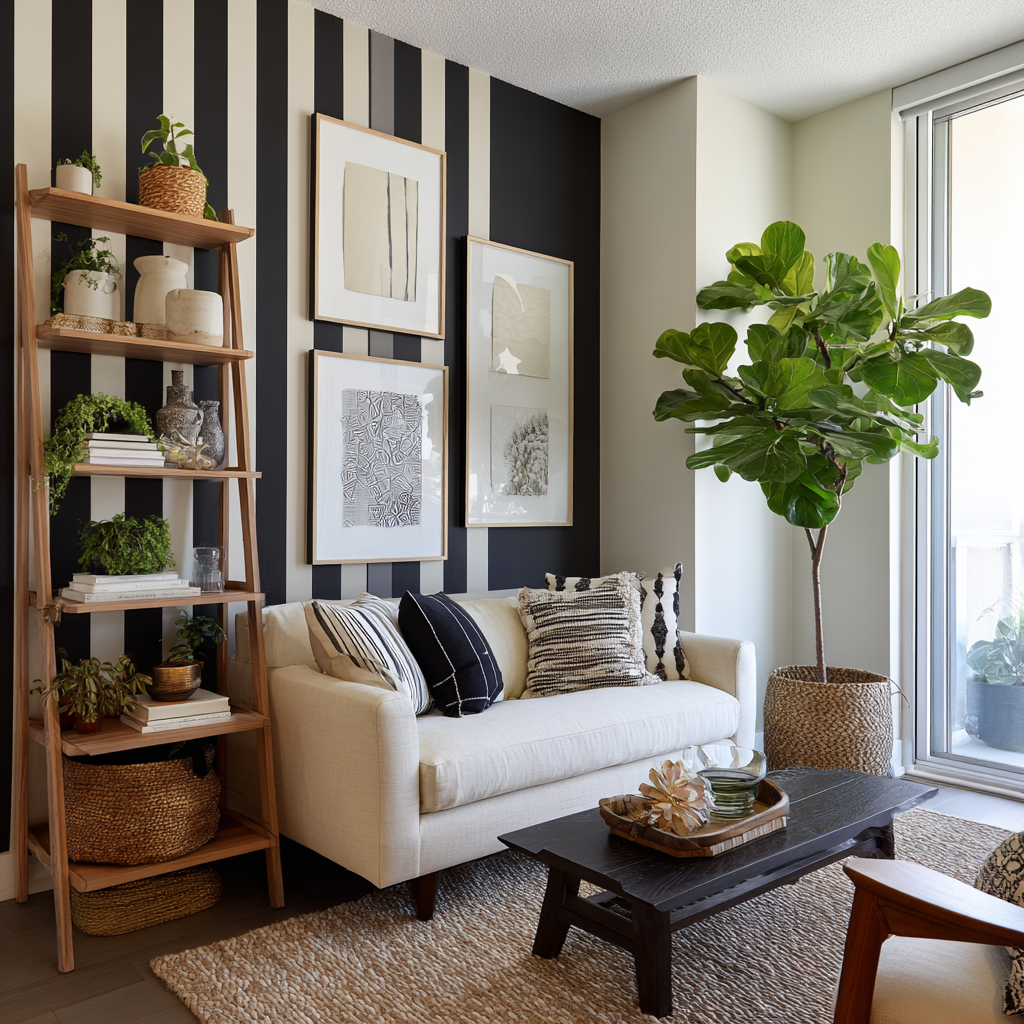
I incorporated tall floor plants, vertical artwork, and floor-to-ceiling bookcases. These upward lines make my ceilings appear higher. My room more expansive.
Striped wallpaper with vertical patterns works wonderfully for this effect. Tall candlesticks. Narrow vases. Vertically-oriented picture frames.
They all contribute to this illusion.
Even a tall ladder shelf creates beneficial vertical emphasis.
Avoid overwhelming horizontal lines that make ceilings feel lower. Balance your design with predominantly vertical elements instead.
This simple shift in orientation? Creates dramatic improvements in how spacious your living room feels.
Final Thoughts
Making a small living room feel bigger doesn’t require major renovations.
No massive budgets either.
These 17 strategies prove that thoughtful design choices create dramatic transformations. Strategic color palettes. Smart furniture selection. Each technique works together beautifully.
I’ve personally implemented these ideas in my own cozy living room. The results? Amazing.
The key is choosing solutions that fit your lifestyle while maximizing your space’s potential.
Remember…
Small spaces can be just as stylish and comfortable as larger ones. Sometimes even more so.
Start with one or two changes that resonate most with you. Maybe painting your walls a lighter shade. Adding a large mirror.
Build from there gradually.
You’ll be amazed at the transformation. Your small living room is about to feel twice its size.
I promise.
Frequently Asked Questions
How much does it typically cost to make a small living room feel bigger?
Many of these strategies are surprisingly budget-friendly.
Simple changes like rearranging furniture? Decluttering? Using mirrors you already own? Those cost nothing.
Painting walls in light colors typically costs $100-300 for a small room if you DIY it yourself.
Bigger investments like new furniture can range from $500-3000. Depends on quality and which pieces you choose.
My recommendation? Start with free or low-cost changes first. Then gradually invest in key pieces like a low-profile sofa or glass coffee table.
You’ll see significant improvements without emptying your wallet.
What’s the single most effective way to make a small living room appear larger?
If I had to choose just one technique?
Light, neutral wall colors. Hands down.
They make the biggest immediate impact. Light colors reflect natural light and create an airy, open feeling that dark walls simply cannot achieve.
Combine that with maximizing natural light through sheer curtains and clean windows? Dramatic results.
That said…
Combining multiple strategies from this list gives you the best overall transformation. But if you’re starting somewhere? Paint those walls a beautiful soft white or pale gray.
Should I avoid patterns completely in a small living room?
Not at all.
Patterns add personality. Interest. Your space needs that.
The key is choosing the right scale. Keeping them simple.
Large-scale patterns actually work better than tiny, busy prints in small rooms. Stick to one or two patterned elements. Maybe a rug and throw pillows. Keep other items solid.
Subtle patterns in neutral colors work beautifully without overwhelming your space.
I love a simple geometric pattern. Or a delicate botanical print that adds visual interest without creating chaos.
How do I make a small living room feel bigger without getting rid of all my belongings?
You don’t have to live in a minimalist magazine spread.
The secret? Smart storage and intentional display.
Invest in multifunctional furniture with hidden storage. Ottomans. Coffee tables with shelves. Consoles with drawers.
Use vertical storage solutions to maximize wall space.
Display your favorite items in curated groupings rather than scattering everything around. Rotate seasonal decor instead of displaying it all at once.
This approach lets you keep what you love while maintaining an organized, spacious feel.
Organization is key.
When everything has a designated home? Your space naturally feels larger.
