


Honestly? Your windows might be the most overlooked part of your home.
We spend so much time picking the right sofa, the perfect rug, the exact shade of wall paint. And then we slap up some basic blinds and call it a day.
But here is the thing. Window treatments are having a serious moment in 2026. We are talking rich textures, smart technology, bold patterns, and custom details that make a room feel like it was designed by a professional.
I have been watching these trends closely, and a lot of the inspiration comes from what the team at Drapery Street has been putting out. Their collections this year are genuinely stunning.
So whether you want to cozy up your bedroom, make your living room feel twice as tall, or finally do something interesting with that awkward kitchen window… this guide has you covered.
Let us get into it.
1. Fine Woven Woods
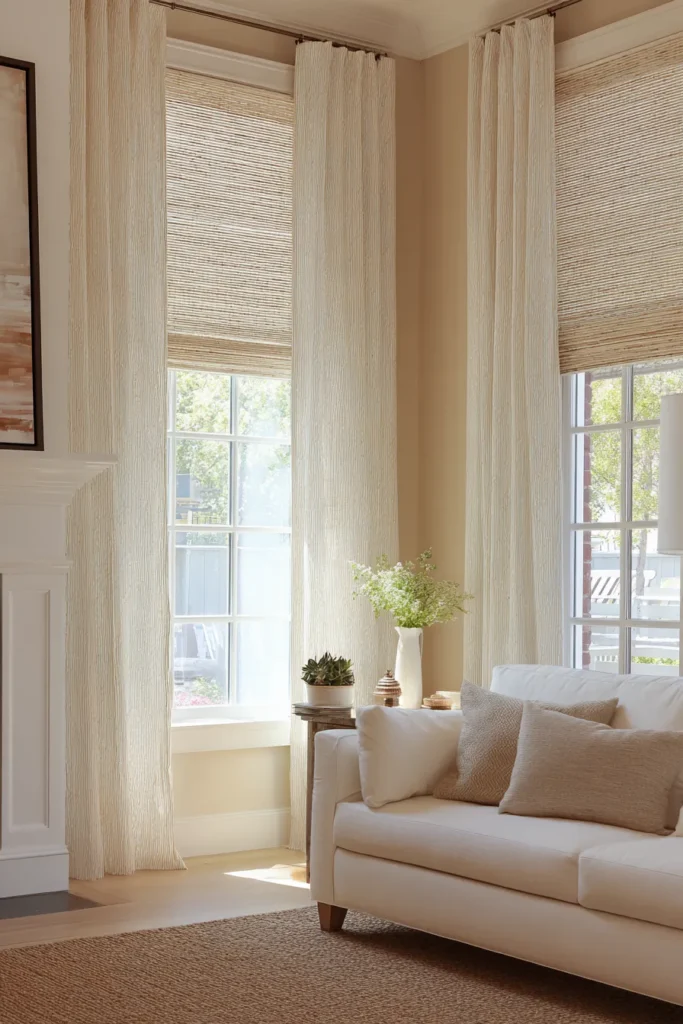
There is something about woven wood shades that just feels right.
They bring nature indoors without trying too hard. No fuss, no drama. Just warm, organic texture that makes a room feel grounded and calm.
In 2026, the weaves are getting finer and more detailed than ever. We are seeing delicate bamboo and natural rattan in tight, intricate patterns that look incredibly tailored up close.
Why it works: Natural materials soften hard architectural lines. Light filtering through fine woven fibers creates a warm, honey-toned glow that no artificial light can replicate.
My favorite pairing? Light bamboo tones against soft, neutral walls. Add a cream drapery panel on either side and you have instant depth and dimension.
Designer tip: Layer woven wood shades with classic drapery panels. This combination takes a room from “nice” to genuinely bespoke.
2. Linen Roman Shades
Roman shades have always been a classic. But in 2026, the fabric makes all the difference.
And right now, linen is everything.
There is a reason designers keep coming back to it. Linen has this effortless quality. It feels relaxed but still put-together. Casual, but never sloppy. It is the interior design equivalent of a well-worn linen shirt that somehow looks chic.
The best color choices? Soft whites and warm oatmeal tones. They let the natural texture of the fabric do all the talking.
One thing to know: Natural linen stretches over time. If your shades are not properly lined, they will start to sag and lose their crisp shape. Always go for professionally lined linen Roman shades. It makes a real difference in how they hold up over the years.
Designer tip: Lined linen Roman shades hold their shape beautifully and bring a breezy, coastal elegance to everyday living spaces.

3. Ornate Drapes and Cornices
If you have been playing it safe with plain panels, 2026 is the year to be a little bolder.
Ornate drapery is back in a big way. We are talking tassels, fringe, banding, scalloped edges, and intricate trim work on fabrics that feel genuinely luxurious. Think heavy velvet. Think shimmering silk. Think wow.
Bold colors leading the trend right now:
- Deep emerald green
- Rich sapphire blue
- Warm jewel-toned burgundy
These are not shy choices. But that is exactly the point.
Designer tip: Match your custom trim color to an accent pillow in the room. It sounds like a small detail, but it pulls the whole space together in a way that feels intentional and polished.
Do not be afraid of scalloped cornices either. They draw the eye upward and make your ceilings feel significantly taller. That is a free visual upgrade.

4. Aura Illuminated Shades
This one is genuinely clever.
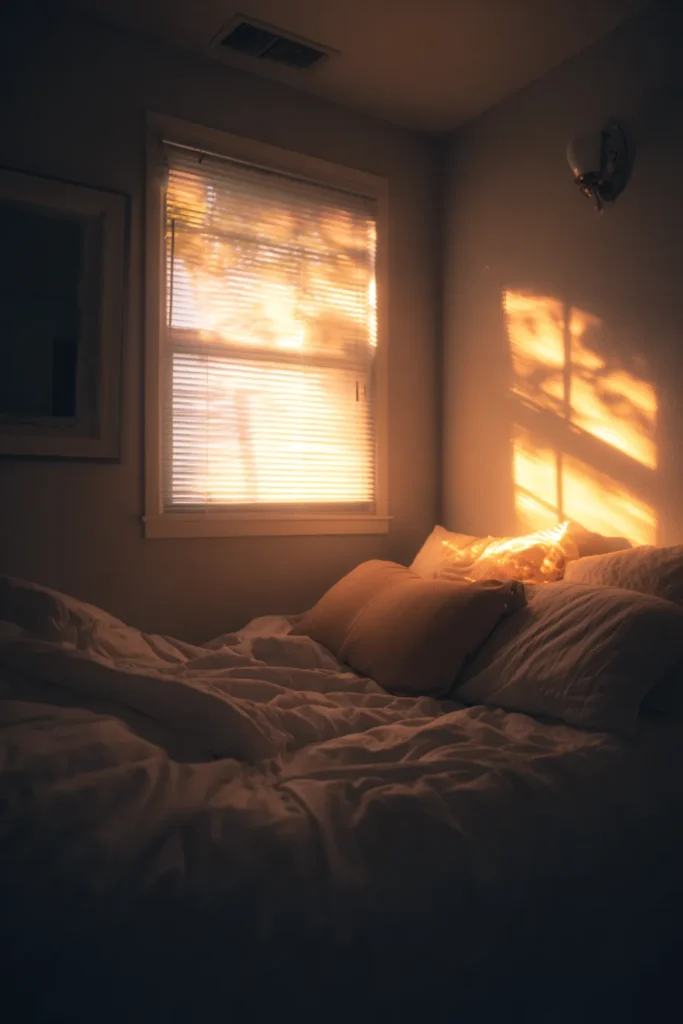
Aura Illuminated Shades are designed for rooms that do not get enough natural light. They combine a textured decorative front with built-in LED technology and a room-darkening liner. The result? You can simulate natural sunlight whenever you want, at whatever color temperature you prefer.
Why does this matter? Because light directly affects how you feel. Waking up to a harsh alarm in a pitch-dark room is rough. Waking up to a gradual, warm, natural-looking glow? That is a completely different experience.
These shades are especially useful for:
- Bedrooms with north-facing windows
- Basement guest rooms
- Home offices with limited daylight
Designer tip: Install these in bedrooms where morning light is limited. You can set them to gradually brighten in the morning and shift to a warm amber tone at night. It is smart technology that genuinely improves your daily routine.
5. Plaid Patterns
Plaid is having its moment. Again. And honestly, it never really left.
From subtle windowpane checks to bold, full-color tartans, plaid brings structure and warmth to a room in a way very few patterns can match. It feels familiar. Comforting. Like a warm mug of tea on a cold afternoon.
Best color combinations for 2026:
- Navy and cream
- Deep burgundy and forest green
- Charcoal and camel
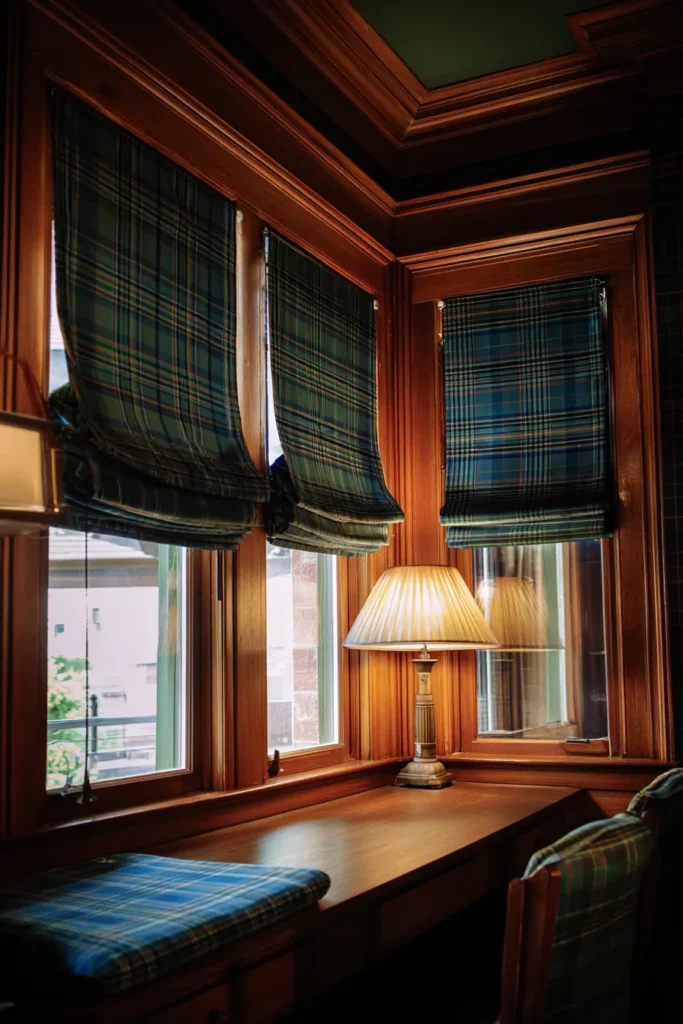
Plaid works beautifully for both heavy drapery panels and Roman shades. It is equally at home in a cozy library, a rustic bedroom, or a modern farmhouse living room.
Designer tip: Keep surrounding walls solid and neutral. Let the plaid be the star. When you compete with patterned walls, nobody wins.
6. Menswear-Inspired Textiles
Think of your favorite well-tailored suit jacket. The way it fits. The weight of the fabric. The quiet confidence it projects.
Now imagine that as a curtain.
That is exactly the energy of menswear-inspired textiles. Herringbone, houndstooth, classic pinstripes. These patterns add a depth and sophistication to a room that feels genuinely expensive without being flashy.
Ideal color palette:
- Charcoal grey
- Slate blue
- Warm tobacco brown
These fabrics are perfect for home offices, libraries, and finished basements where you want a space that feels serious and refined.
Designer tip: Mix a herringbone drapery panel with smooth leather furniture. The contrast between the woven textile and the sleek leather is quietly stunning. It creates an upscale, clubby atmosphere that is hard to achieve any other way.

7. Small-Scale Prints
Big bold prints get all the attention. But small-scale prints? They are doing quiet, beautiful work in 2026.
Dainty florals. Petite geometrics. Tiny paisleys. These patterns add visual interest without taking over the room. They are the kind of thing that makes a guest say, “I love those curtains,” without being able to explain exactly why.
They work best in:
- Soft pastels
- Muted earth tones
- Dusty blues and sage greens
Small prints are also incredibly versatile. They translate beautifully across drapery panels, Roman shades, valances, and even coordinating throw pillows.
Designer tip: Pair small-print window treatments with large, solid-colored furniture. The visual contrast creates balance. Too many patterns fighting for attention and the room starts to feel chaotic.

8. Motorized Outdoor Shades
Your patio deserves the same attention as your living room.
Motorized outdoor shades are genuinely transforming how people use their outdoor spaces. These durable screens roll down to provide shade, privacy, airflow, and bug protection. All at once. With the push of a button.
The result is a covered porch or patio that feels like a real room. One you can actually use in the middle of July without being miserable.
Designer tip: Go with dark bronze or charcoal mesh materials. Counterintuitively, darker mesh actually preserves your outdoor view better than lighter options. The darker color reduces glare and makes the screen nearly invisible from the inside.
Even better? Connect them to your smart home system and lower them with a voice command while your hands are full of groceries.

9. Bold Jewel Tones
Some colors just command a room.
Deep ruby. Rich emerald. Dark amethyst. Inky sapphire. These jewel tones are back on windows in 2026 and they are absolutely stunning when done right.
Heavy velvet maximizes the depth of these colors. Silk adds a luminous, reflective quality. Either way, the effect is dramatic and undeniably luxurious.
Why they work so well: Jewel tones absorb light rather than reflecting it. The result is a room that feels enveloping, warm, and deeply cozy. Like being inside a beautiful jewel box.
Designer tip: Always hang jewel-toned drapery with warm brushed brass hardware. The metallic warmth of the brass perfectly balances the cool depth of the fabric. It is one of those combinations that just clicks.

10. Eco-Friendly Fabrics
Sustainability is not a trend anymore. It is a standard.
In 2026, more homeowners are asking where their window treatment fabrics come from and how they were made. And the good news is that eco-friendly options have never looked better.
Recycled fibers, organic cotton, undyed natural textiles. These materials bring raw, honest texture to a room. And the color palettes that come with them are genuinely beautiful.
Popular eco-friendly color choices:
- Warm terracotta
- Earthy sage green
- Natural undyed beige
| Material | Benefit | Best Room |
|---|---|---|
| Organic cotton | Soft, breathable, pesticide-free | Bedroom, nursery |
| Recycled polyester | Durable, wrinkle-resistant | Living room, office |
| Undyed linen | Zero chemical processing | Any room |
| Bamboo fabric | Rapidly renewable, silky texture | Bathroom, kitchen |
Designer tip: Look for certifications like GOTS (Global Organic Textile Standard) or OEKO-TEX when shopping. These labels confirm that the fabric was manufactured responsibly, from fiber to finished product.

11. Layered Sheers and Opaques
This is one of those ideas that sounds simple but completely changes a room.
The concept is straightforward. You hang a light, sheer curtain closest to the glass. Then a heavier, opaque panel on the outer rod facing the room. Two layers. Total control.
In the morning, pull the opaques back and let the sheers do their job. They filter light beautifully without blocking it. At night, close the heavy panels for complete privacy and darkness.
A winning combination: Crisp white sheers paired with heavy charcoal blackout panels. The contrast is gorgeous. The function is flawless.
Designer tip: Always hang the sheer layer closest to the glass and the opaque layer facing the room. This is the professional way to layer treatments. It looks intentional, adds gorgeous volume, and functions perfectly for every time of day.

12. Smart Motorization
A few years ago, motorized blinds felt like a luxury reserved for high-end smart homes. Not anymore.
In 2026, smart motorization is becoming a standard expectation. You control your shades from your phone. You set schedules. You connect them to Alexa, Google Home, or Apple HomeKit. They just… work. Quietly, reliably, every single day.
The practical benefits go beyond convenience:
- Automated shades lower during peak sun hours, reducing cooling costs
- Morning schedules let natural light gradually fill a bedroom
- Vacation mode randomizes open and close times for security
Designer tip: Set a schedule that syncs with your local sunrise. Waking up to gradual natural light is genuinely one of the nicest small upgrades you can make to your daily routine. Your body responds to it immediately.
Sleek roller shades in modern grey are the most popular choice for hiding the hardware cleanly. Minimal and smart.

13. Ceiling-to-Floor Drapery
This is probably the single easiest trick to make any room feel more expensive.
Hang your curtains from the ceiling. Not from just above the window. From the actual ceiling.
The drapery runs in one unbroken line from the very top of the wall all the way down to the floor. The effect? Your walls feel taller. Your room feels grander. The whole space gets an instant upgrade.
Why it works: Our brains perceive vertical lines as height. Long, floor-to-ceiling drapery tricks the eye into reading the room as taller than it actually is. It is a completely free optical illusion.
Designer tip: Let the fabric puddle slightly on the floor. Just an inch or so. It looks relaxed, custom, and genuinely luxurious. Short curtains that hover above the baseboard? They do the exact opposite. They make ceilings feel lower and rooms feel cramped.
Soft, flowing fabrics in light cream or ivory work beautifully for this look.

14. Scalloped Valances
Vintage details are everywhere in 2026. And scalloped valances are one of the most charming examples.
That soft, curved, scalloped edge along the bottom of a valance does something really nice to a room. It breaks up straight architectural lines. It adds a playful, slightly feminine touch. It makes a window feel finished in a way that a plain valance never quite achieves.
The best part? It works in modern rooms too. This is not strictly a grandma’s kitchen look. Crisp white linen with a clean scalloped edge can feel simultaneously nostalgic and completely fresh.
Designer tip: Use a scalloped valance over the kitchen sink window. It adds personality without taking up valuable wall space. A small detail that makes a big impression, especially in a room where window space is limited.

15. Natural Bamboo Blinds
Bamboo blinds have been around for a long time. And there is a very good reason they keep coming back.
They are warm. They are durable. They are easy to clean. And when sunlight filters through them, it creates this gorgeous, golden, almost tropical glow that feels instantly relaxing.
Popular finishes right now:
- Golden honey (bright and airy)
- Deep espresso (rich and grounding)
Bamboo is also one of the most sustainable materials available for window treatments. It grows incredibly fast and requires minimal processing.
Designer tip: Try bamboo blinds in a bathroom with a moisture-resistant finish. Paired with white walls and some greenery, they create a genuinely spa-like atmosphere. It is one of the most affordable ways to make a bathroom feel like a retreat.

16. Tone-on-Tone Trims
This one is for the minimalists who still want something beautiful.
Tone-on-tone trim means adding embellishments that match the main fabric color exactly. Same hue. Different finish. So a matte linen drape gets a high-gloss silk trim along the leading edge. A cream velvet panel gets a satin ribbon border in the exact same cream.
From a distance, it looks like a simple, elegant curtain. Up close? There is this quiet, sophisticated detail that makes it feel genuinely custom.
Designer tip: The contrast between a matte fabric and a glossy trim creates a subtle play of light that changes throughout the day. It is understated. It is refined. And it proves that you do not need bold color or dramatic pattern to make an impact.

17. Thermal and Blackout Linings
Last but absolutely not least. And honestly? This one might be the most practical trend on this entire list.
High-quality thermal and blackout linings are becoming standard in 2026. Not optional extras. Standard.
Here is why that matters. A good lining does several things at once:
- Blocks light completely for better sleep
- Insulates your windows, keeping rooms warmer in winter and cooler in summer
- Protects your fabric from UV fading, which extends the life of expensive drapery
- Reduces noise from outside
| Lining Type | Best For | Key Benefit |
|---|---|---|
| Blackout lining | Bedrooms, media rooms | Complete light blocking |
| Thermal lining | Any room | Energy efficiency, insulation |
| Interlining | Formal drapery | Added weight, luxurious drape |
| UV protective | South-facing windows | Protects furniture and fabric |
Designer tip: Invest in heavy thermal linings for your primary bedroom. The combination of complete darkness and consistent temperature makes a measurable difference in sleep quality. And protecting your furniture from UV fading alone is worth the investment.
Any fabric works. Any color works. The lining is invisible from the outside and does its job quietly, every single day.

Frequently Asked Questions
How much does it typically cost to install motorized shades?
Costs vary quite a bit depending on window size, fabric choice, and brand. Generally, budget between $500 and $1,500 per window. Smart features and fully custom fabrics will push that number higher, but many homeowners find the convenience and energy savings make it worthwhile over time.
Can I install these window treatments myself?
Many standard shades and blinds are straightforward DIY projects. But custom drapery and motorized systems are a different story. For those, professional installation is strongly recommended. Getting the measurements right and ensuring everything functions smoothly is genuinely harder than it looks.
How do I clean and care for delicate fabrics like linen or silk?
Always start with the care label. For day-to-day maintenance, a light pass with an upholstery brush attachment on your vacuum keeps dust from building up. For deeper cleaning, professional dry cleaning is the safest option for linen and silk. Avoid machine washing unless the label specifically says it is safe.
