


How often do you think about the safety of your stairs until a slip actually happens? For most homeowners and designers, the answer is: not enough. Yet the difference between a dangerous flight of steps and a safe one often comes down to the simple science of applied coatings designed to prevent slipping. The most reliable solutions I have ever recommended share one trait—they work identically in a busy, lived-in home and in a controlled lab. That consistency, whether I’m measuring light blockage in blackout curtains or the grip factor of a stair finish, is what separates genuinely good products from those that just look great in photos. Today, I’m breaking down everything you need to know about slip-resistant stair coatings, from how they work to expert-tested application tips.
Key Takeaways
- Slip-resistant stair coatings add a crucial safety layer by increasing traction on wood, concrete, and metal steps.
- Proper surface prep, temperature, and humidity levels are vital for lasting performance and maximum grip.
- Different coating types suit indoor and outdoor stairs—choosing the right formula is as important as applying it well.
- Consistent, real-world grip performance—not just lab data—should drive your choice and maintenance schedule.
Why Slippery Stairs Happen: Causes and Everyday Risks
Common Sources of Slippery Steps
Stairs become hazardous for a variety of reasons. Polished hardwood can lose grip with wear and cleaning. Painted or sealed concrete may be slick after rain or washing. Even metal treads can develop a dangerous sheen from dust, oil, or simply foot traffic. As someone who measures physical properties for a living, I’ve seen the difference a few microns of surface texture can make.
Environmental Factors
Temperature and humidity play a larger role than most realize. High humidity (above 70%) can lead to condensation, making even textured stairs slippery. In colder climates, ice formation is a constant risk for outdoor steps. Indoors, cleaning agents or waxes sometimes leave residues that reduce friction.
Material-Specific Challenges
- Wood: Prone to becoming slick with age or after refinishing.
- Concrete: Surface wear or rain creates smooth, dangerous spots.
- Metal: Easily accumulates dust, oil, or moisture, making it especially risky.
How Non-Slip Stair Coatings Work: Science and Options
Physical Texture: The Foundation of Traction
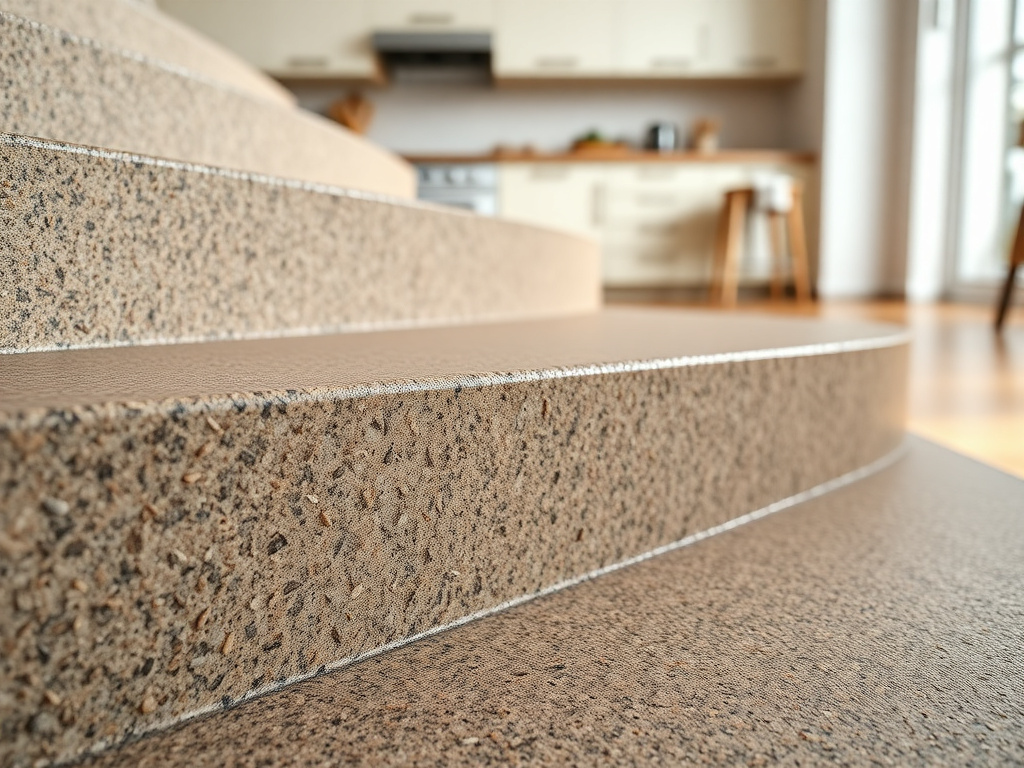
Slip-resistant stair coatings work by creating microscopic or visible texture on the tread surface. This can be accomplished by embedding aggregate particles (like silica, polymer beads, or aluminum oxide) into a clear or colored base layer. When applied correctly, these particles break up smooth surfaces and provide the essential grip that helps prevent slips.
Chemical Bonding and Surface Adhesion
The effectiveness of these coatings depends not just on their textured ingredients, but on how well they bond to the stair material. Epoxies and polyurethanes chemically anchor to wood, concrete, or metal, ensuring the coating does not peel or wear away quickly. Water-based acrylics, while easier to apply and clean up, may not offer the same durability for high-traffic or outdoor stairs.
Types of Slip-Resistant Formulas
- Clear grip coatings: Ideal for preserving the appearance of natural wood or stone steps.
- Colored, textured paints: Suitable for both indoor and outdoor stairs, especially concrete or metal.
- Pre-mixed aggregate blends: High-performance options often used for commercial or high-traffic residential settings.
Indoor vs. Outdoor: Matching the Formula to the Environment
For indoor stairs, low-odor, quick-drying acrylics with fine aggregate are popular. Outdoor steps, on the other hand, benefit from UV-resistant, waterproof, and freeze-thaw stable coatings. I’ve tested plenty of formulas over the years and found that performance outdoors is only as good as the coating’s resistance to both sunlight and water ingress.
Preventing Slippery Stairs: Step-by-Step Solutions
1. Surface Preparation: The Key to Lasting Results
- Clean thoroughly: Remove all dust, grease, wax, and debris. Use a pH-neutral cleaner and rinse well.
- Dry completely: Wait until all moisture has evaporated—use fans or a dehumidifier for indoor stairs.
- Sand or etch: For wood, sand lightly (120–150 grit). For concrete, acid-etch or mechanically abrade to open pores.
2. Choosing the Right Non-Slip Formula
- Match the base: Use water-based acrylics for wood and indoor concrete, epoxies or polyurethanes for outdoor or commercial stairs.
- Aggregate size: Fine particles (60–80 mesh) for bare feet or indoor use, coarser (20–40 mesh) for outdoor or industrial steps.
3. Application Best Practices
- Mix thoroughly: Stir aggregate into the liquid base for even distribution—settling leads to patchy grip.
- Apply in thin, even coats: Use a 3/8″ nap roller or quality brush. Over-application causes uneven drying and weak spots.
- Follow drying times: Most coatings require 6–24 hours before light foot traffic, and up to 72 hours for full cure.
4. Post-Coating Checks
- Test grip: Lightly drag a rubber-soled shoe over the surface. There should be noticeable resistance without sticking.
- Inspect coverage: Check under different light angles—missed spots are usually visible in raking light.
Expert Maintenance and Long-Term Performance
Routine Cleaning
Slip-resistant coatings can trap dirt, which reduces their effectiveness. Clean regularly with a soft-bristle brush and a mild, pH-neutral detergent. Avoid waxes or oily cleaners, as these fill in the texture, reducing grip. For outdoor stairs, a pressure washer (set below 1,500 PSI) can be used, but keep the nozzle at least 12 inches from the surface to prevent damaging the coating.
Periodic Performance Testing
Just as I measure light transmission for window treatments, I recommend a simple traction test every six months. Use a weighted rubber block (minimum 5 lbs) and measure the force needed to move it across a step. If you notice a significant drop in resistance, it’s time to reapply the coating.
Touch-Ups and Reapplication
High-traffic stairs may need spot touch-ups every 1–2 years. For outdoor installations, especially those exposed to direct sun or freeze-thaw cycles, a full recoating every 2–3 years is typical. Before reapplication, repeat the surface prep steps; new coatings will not bond well over dirty or glossy old layers.
Integrating with Stair Runners and Other Safety Features
If you’re combining a slip-resistant finish with a runner, apply the coating to exposed treads only. For design inspiration or more technical reviews, see our guide to herringbone stair runners for 2026, which includes data on runner thickness and grip performance.
Additional Safety and Design Considerations
Choosing Colors and Finishes
Light reflection on stairs matters for safety, especially in homes with varied lighting. Matte and satin finishes reduce glare and help highlight the texture, making each step’s edge easier to see. Avoid high-gloss sealers on any tread surface—glare can mask the presence of a slip hazard, especially in strong sunlight or with overhead LED lighting.
Outdoor Applications: Weather and Wear Factors
Outdoor stairs require coatings that withstand UV exposure, rain, and freeze-thaw cycles. In my own testing, I’ve seen formulas that claim to be “weatherproof” fail after a single winter because they were not truly vapor-permeable. Always look for coatings with a proven track record in your climate zone. For more outdoor-specific insights, check our expert-tested roundup of outdoor stair runners—these often pair best with heavy-duty slip-resistant finishes.
Legal and Building Code Requirements
Commercial properties often have to meet minimum coefficient of friction (COF) standards, typically above 0.60 when tested wet. While private homes are not always held to these codes, using a coating that meets or exceeds this standard is a smart safety move.
Frequently Asked Questions
How long does a slip-resistant stair coating typically last before it needs reapplication?
Most indoor applications remain effective for 2–4 years with regular cleaning, while outdoor stairs may require reapplication every 1–3 years, depending on sun exposure, rainfall, and traffic. High-traffic commercial settings may need touch-ups more often. Always monitor grip performance and inspect for visible wear or peeling before deciding to recoat.
Is it safe to use non-slip coatings on stairs with existing runners or carpet?
Applying a slip-resistant finish directly under loose runners or carpet is not recommended, as it can reduce adhesion and cause uneven surfaces. Instead, coat only the exposed wood, concrete, or metal treads, and ensure runners are securely fastened. For more on combining runners and safety finishes, review our guide to herringbone stair runners and grip solutions.
What surface temperature is best for applying slip-resistant coatings?
Most formulas require a surface temperature between 50°F (10°C) and 85°F (29°C) for optimal curing. Applying outside this range can lead to poor adhesion and reduced durability. Indoor environments with controlled climate are ideal, but for outdoor stairs, choose a dry, mild day and avoid direct sunlight during application.
What’s the best way to test the effectiveness of a non-slip finish after application?
After full curing, perform a traction test by dragging a rubber-soled shoe or a weighted block across the step. There should be firm resistance without sticking. Visual checks under angled light help spot any missed areas. If you notice smooth patches or reduced traction, a touch-up or reapplication may be needed.