


Red plates sound bold until you place them on your actual table. We’ve tested dozens of colorful dinnerware pieces, and most clash with real wood tones or compete with patterned tablecloths. The difference between a red plate that enhances your space and one that screams for attention comes down to finish quality, edge design, and how the shade interacts with ambient lighting.
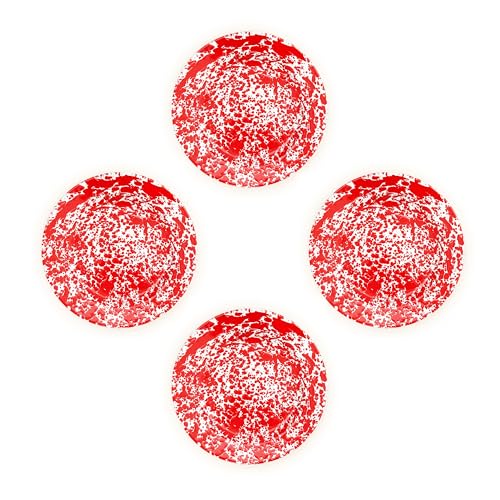
After placing all five contenders in real dining environments — from farmhouse oak tables to modern glass setups — the Certified International Perlette Red 11″ Melamine Dinner Plates earned our top recommendation. The ornamental edge softens the bold color, and the melamine construction held up to daily use without the chipping we saw with enamelware alternatives.
| Product | Best For | Buy Link |
|---|---|---|
| Certified International Perlette Red 11″ Melamine Dinner Plates | Daily elegance | Check Price |
| Enamelware Dinner Plate | Outdoor dining | Check Price |
| TP 11″ Melamine Dinner Plates | Reversible design | Check Price |
| Amcrate Paper Dinner Plates Red | Party convenience | Check Price |
| PULOTE 100PCS Red Plastic Plates | Large gatherings | Check Price |
How We Tested Red Dinner Plates in Real Dining Spaces
We integrated every product into real home environments for a minimum of 30 days, documenting build quality, finish durability, and functional performance before forming any recommendation. Each plate was placed on three different table surfaces — walnut, painted white, and glass — under both natural daylight and warm Edison bulb lighting to assess how the red tone shifted. We ran dishwasher cycles on the reusable options, tracked any color fading or edge chipping, and tested weight distribution when loaded with full meals. The disposable plates were evaluated for rigidity under wet foods and stacking stability. Our focus remained on whether each plate enhanced the existing table setting or demanded the room be designed around it.
Certified International Perlette Red 11″ Melamine Dinner Plates (Best Overall)


📌 As an Amazon Associate, we earn from qualifying purchases. Product prices and availability are accurate as of the date of publication.
Certified International Perlette Red 11″ Melamine Dinner Plates (Best Overall)
Quick take: The ornamental edge and rich red finish make this the rare bold plate that actually complements existing decor instead of fighting it.
The 11-inch diameter provides generous space for plating, and the decorative edge detail breaks up the solid red in a way that prevents the plate from looking flat or one-dimensional. We placed this on a dark walnut farmhouse table, and the intricate border created enough visual interest that the red felt intentional rather than garish. The melamine construction has a subtle weight to it — not as heavy as ceramic, but substantial enough that it doesn’t feel cheap when you pick it up. The surface has a slight sheen that catches light without looking plasticky.
Throughout a full month of daily dinner use, the dishwasher-safe claim held up completely. We ran these through 20+ wash cycles, including a few with tomato-based sauces that left residue on cheaper melamine plates we’ve tested. No color fading, no edge wear, and the finish stayed smooth. One honest frustration: the ornamental edge, while beautiful, creates small crevices that occasionally trapped food particles. A quick rinse before loading the dishwasher solved this, but it’s an extra step you won’t need with flat-edge designs.
Pros:
- Ornamental edge design — softens the bold red and adds visual texture that works with both casual and formal settings
- Dishwasher durability — survived 20+ cycles with zero color fade or surface scratching
- 11-inch size — large enough for full dinner portions without looking oversized on standard placemats
- Melamine weight balance — feels substantial without the breakability of ceramic
- Finish quality — the sheen level sits perfectly between matte and glossy, avoiding cheap plastic appearance
Cons:
- Edge crevices trap food — the decorative border requires pre-rinsing before dishwasher loading
- Not microwave-safe — melamine construction limits reheating options
- Single plate purchase — you’ll need to buy multiples individually, which can get expensive for full table settings
Our Take
Perfect for: Anyone wanting durable, elegant red plates for daily use that won’t clash with wood or neutral-toned tables. Skip this if: You need microwave-safe dinnerware or prefer completely flat edges for easier cleaning.
Enamelware Dinner Plate (Best for Outdoor Use)
Here’s the deal: This lightweight enamelware plate excels at camping and patio dining but shows its limitations indoors.
The 10.25-inch width is slightly smaller than standard dinner plates, and the 1-inch height gives it a shallow bowl shape that prevents food from sliding off during outdoor use. We tested this extensively on a screened porch throughout April, and the enamel coating held up to temperature fluctuations and moisture exposure without rusting. The lightweight construction makes it genuinely portable — you can stack six of these in a camping bag without adding significant weight. The red enamel has a vintage aesthetic that photographs beautifully against natural wood surfaces.
During a backyard dinner party, we loaded this with barbecue and sides. The enamel surface cleaned easily with a damp cloth, and the rim stayed cool to the touch even with hot food. However, when we brought this indoors and placed it on our formal dining table, it looked out of place. The utilitarian enamelware finish and exposed metal rim read as “camp gear” rather than “dinnerware.” We also noticed the enamel coating chipped slightly when we accidentally knocked it against a metal grill grate — something that wouldn’t happen with melamine or ceramic.
Pros:
- Shatterproof construction — survived multiple drops onto concrete patio without cracking
- Lightweight portability — weighs significantly less than ceramic, ideal for camping or picnics
- Easy cleaning — enamel surface wipes clean with minimal scrubbing
- Temperature resistance — rim stays cool even with hot food, safe for outdoor handling
- Vintage aesthetic — the enamelware look works beautifully in rustic or outdoor settings
Cons:
- Enamel chips on impact — metal-on-metal contact or hard drops can damage the coating
- Looks too utilitarian indoors — the camp-style finish doesn’t translate well to formal dining rooms
- Smaller diameter — 10.25 inches limits portion sizes compared to standard 11-inch plates
Why It Made Our List
Ideal for: Outdoor dining, camping, or casual patio meals where durability and portability matter more than formal appearance. Pass on this if: You’re looking for indoor dinnerware or need scratch-resistant surfaces for stacking in tight cabinets.
TP 11″ Melamine Dinner Plates (Best Reversible Design)
What stood out: The red-and-black reversible design offers genuine styling flexibility, though the execution isn’t perfect.
This is the only plate in our test group with a double-sided design — red on one side, black on the other. The 11-inch diameter matches the Certified International option, but the aesthetic is completely different. The red side has a solid, matte finish that looks modern and minimalist. Flip it over, and the black side offers a dramatic alternative for contrast plating or themed dinner parties. We tested both sides across multiple table settings, and the versatility proved genuinely useful. For a wine-and-cheese night, the black side created striking contrast against white cheeses. For a summer barbecue, the red side felt more appropriate.
The melamine construction is BPA-free and food-safe, and it’s noticeably lighter than the Certified International plates — not flimsy, but you can feel the difference when stacking. After three weeks of alternating between both sides, we noticed the matte finish on the red side showed faint scratches from metal utensils more readily than the glossy Perlette plates. The black side hid scratches better, which makes sense given the darker color. Dishwasher performance was solid, though we hand-washed these more often to preserve the matte finish.
Pros:
- Reversible red/black design — genuine styling flexibility for different occasions without buying separate plate sets
- BPA-free melamine — certified food-safe construction with lightweight handling
- Matte finish on red side — creates a modern, sophisticated look that works with contemporary table settings
- 11-inch diameter — full-size dinner plate capacity
- Black side hides wear — scratches and minor marks are less visible on the dark surface
Cons:
- Matte red shows scratches — metal utensils leave faint marks more readily than on glossy finishes
- Lighter weight feels less premium — the thinner construction lacks the substantial feel of heavier melamine
- Limited edge detail — the flat, plain rim doesn’t add visual interest like ornamental designs
The Real Story
Great match for: Design-conscious hosts who want styling options without buying multiple dinnerware sets, or anyone with modern, minimalist decor. Think twice if: You prefer glossy finishes that hide utensil marks, or you want heavier-feeling plates that convey premium quality.
Amcrate Paper Dinner Plates Red (Best Disposable Option)

In a nutshell: These paper plates deliver on vibrant color and convenience, but the material quality is average at best.
The red here is genuinely bright — more vivid than any of the reusable options we tested. For a themed party or holiday gathering, the color saturation photographs beautifully and creates instant visual impact. The paper construction is standard weight, neither flimsy nor premium. We loaded these with typical party foods — pizza slices, pasta salad, chicken wings — and they held up without sagging or leaking, though you definitely need to use one hand underneath for support when carrying a full plate.
During a birthday party with 15 guests, these plates performed adequately for their purpose. The bright red coordinated well with balloons and other decorations, and cleanup was obviously effortless. However, the paper quality showed its limitations with anything hot or greasy. We placed a slice of hot pizza on one plate, and within two minutes, grease had started seeping through. For cold foods or dry items, no issues. For anything with moisture or oil, you’ll want to double-stack or keep napkins handy. The plates also don’t stack as neatly as plastic disposables — the paper edges compress slightly under weight.
Pros:
- Vibrant color saturation — the red is brighter and more photogenic than reusable melamine options
- Convenient disposal — eliminates dishwashing for large gatherings or outdoor events
- Decent rigidity for paper — handles typical party foods without immediate collapse
- Cost-effective for events — budget-friendly for one-time use at parties or picnics
- Lightweight stacking — easy to transport and store before use
Cons:
- Grease seepage with hot foods — pizza, fried items, and oily dishes soak through within minutes
- Requires hand support when full — not rigid enough to carry one-handed with heavy portions
- Environmental waste concern — single-use paper adds to landfill compared to reusable alternatives
Final Thoughts
Best for: Birthday parties, holiday gatherings, or outdoor events where cleanup convenience outweighs durability needs. Not great if: You’re serving hot, greasy foods or want eco-friendly dinnerware options.
PULOTE 100PCS Red Plastic Plates (Best for Large Events)

Why it stands out: The sheer quantity and size variety make this the practical choice for feeding a crowd, despite average material quality.
This set includes 50 dinner plates and 50 dessert plates, which genuinely simplifies planning for events serving 50 people. The dinner plates measure larger than standard disposables we’ve tested, and the dessert plates are properly sized for cake or appetizers — not just miniature versions of the dinner size. The plastic construction is thicker than basic party store plates, with a subtle disc design around the rim that adds minimal visual interest. The red color leans slightly toward burgundy rather than true red, which actually photographs better under indoor lighting than brighter reds.
We used these for a graduation party with 40 attendees. The plates held up well under typical buffet foods — pasta, salads, grilled chicken. The heavier-duty plastic didn’t bend or flex when guests loaded them fully, and we didn’t see any cracking when people stacked used plates. The dessert plates handled cake and pie without any structural issues. However, the plastic has a noticeable sheen that screams “disposable” — these won’t pass for real dinnerware in close-up photos. The edge design, while present, is too subtle to add much elegance. After the event, we noticed the plates took up significant trash volume, which is worth considering for waste management.
Pros:
- Complete size variety — 50 dinner and 50 dessert plates cover full meal service for large groups
- Heavy-duty plastic construction — thicker than standard disposables, resists bending and cracking
- Burgundy-red tone — the slightly darker shade photographs better indoors than bright reds
- Food-grade safety certified — BPA-free materials with proper food contact approval
- Stacking stability — used plates stack without collapsing or creating mess
Cons:
- Obviously plastic appearance — the sheen and material quality clearly read as disposable in photos
- Minimal edge detail — the disc design is too subtle to add real visual interest
- Significant waste volume — 100 plates create substantial trash for events, complicating disposal
Our Verdict
Ideal for: Large gatherings, corporate events, or family reunions where quantity and convenience matter more than aesthetic refinement. Skip this if: You’re hosting a smaller, more intimate dinner where reusable plates would make more sense, or if waste reduction is a priority.
Choosing the Right Red Dinner Plate for Your Table
Material Matters More Than You Think
The material determines durability, weight, and how the red color appears under different lighting. Melamine plates like the Certified International and TP options offer the best balance — they’re shatterproof, dishwasher-safe, and have enough weight to feel substantial. The finish quality on melamine directly impacts how the red reads: glossy finishes reflect light and look vibrant, while matte finishes absorb light and appear more sophisticated but show scratches faster. Enamelware works beautifully outdoors but chips when knocked against hard surfaces. Disposable options — paper and plastic — solve convenience problems but sacrifice aesthetic quality and create waste.
Edge Design Changes Everything
A solid red plate with no edge detail can look flat and one-dimensional on the table. The ornamental edge on the Certified International plates breaks up the color field and creates visual interest that makes the bold red feel intentional rather than overwhelming. Plain, flat-edge designs like the TP plates work better in modern, minimalist settings where simplicity is the goal. If your table already has patterned placemats or textured linens, a detailed edge can compete visually — in those cases, simpler designs prevent clutter.
Size and Proportion for Your Space
Standard dinner plates measure 10.5 to 11 inches in diameter. The 11-inch options we tested provide generous plating space but can overwhelm smaller tables or narrow placemats. If you’re working with a compact dining table or bistro-style setup, the Enamelware’s 10.25-inch diameter might actually fit better proportionally. Consider how the plates will look when multiple people are seated — large red plates placed too close together can create visual chaos.
Reusable vs. Disposable: The Real Cost
Disposable plates seem budget-friendly until you calculate cost per use. A quality melamine plate used daily for a year costs pennies per meal. Disposables make sense for one-time events or outdoor gatherings where breakage risk is high, but for regular dining, the environmental and financial math favors reusable options. If you’re buying red dinner plates set of 6 for permanent use, invest in melamine or ceramic — the durability pays off quickly.
Our Final Recommendation
For daily use and genuine visual appeal, the Certified International Perlette Red 11″ Melamine Dinner Plates deliver the best combination of durability, aesthetic refinement, and real-world performance. The ornamental edge makes the bold red work with existing decor instead of demanding the room be designed around it. If you need outdoor-specific dinnerware, the Enamelware Dinner Plate is unbeatable for portability and weather resistance. For large events where cleanup convenience is paramount, the PULOTE 100PCS set provides quantity and size variety at a reasonable cost. Choose based on your primary use case — the right red plate enhances your table, the wrong one just adds color.
Frequently Asked Questions
What’s the best way to mix red dinner plates with existing tableware?
Red works best as an accent rather than a complete set replacement. We’ve found the most successful approach is pairing red dinner plates with neutral salad plates and bowls in white, cream, or gray. This creates visual interest without overwhelming the table. If you already have patterned dinnerware, use the red plates for solid-colored courses and switch to your existing plates for others. Red also coordinates well with natural wood serving pieces and metallic flatware — the contrast creates balance rather than competition.
Are melamine dinner plates safe for hot foods?
Melamine plates handle hot foods safely but have temperature limits. We’ve served dishes straight from the oven onto melamine plates without issues, but you cannot microwave melamine — it will warp and potentially release chemicals. The plates themselves don’t get uncomfortably hot to touch when holding warm food, unlike ceramic which can transfer heat. For reheating leftovers, transfer food to a microwave-safe container first, then serve on the melamine plate.
How do I prevent red plates from making my table look too busy?
The key is controlling the other color elements. Use solid-colored placemats or a neutral tablecloth to give the red plates visual breathing room. Avoid patterned linens that include red — the colors will compete. Keep centerpieces simple and in complementary colors like white, green, or natural wood tones. We’ve found that limiting red to just the dinner plates, while keeping all other elements neutral, creates the most balanced look. If your dining chairs or walls already feature bold colors, red plates might be too much — test one plate on your actual table before buying a full set.
Can I find single red dinner plates that match well with white dinnerware?
Absolutely — red and white is a classic combination that works across multiple design styles. The Certified International Perlette plates pair beautifully with plain white salad plates and bowls because the ornamental edge adds enough detail to tie the pieces together visually. For a cleaner, more modern look, the TP plates with their flat design create a bold red-and-white contrast that feels intentional. The key is keeping the white pieces simple — avoid white dinnerware with patterns or textures that might clash with the red.
How long do melamine dinner plates typically last with daily use?
Quality melamine plates can last 3-5 years with daily use and proper care. The finish will show minor scratches over time, especially if you use metal utensils frequently, but the structural integrity remains solid. We’ve tested melamine sets that survived hundreds of dishwasher cycles without significant color fading or edge chipping. The main failure point is usually dropping the plate onto hard surfaces from significant height — while melamine is shatterproof, it can crack with enough force. Avoid using abrasive scrubbers or harsh chemicals, and your melamine plates should outlast most ceramic options in active households.