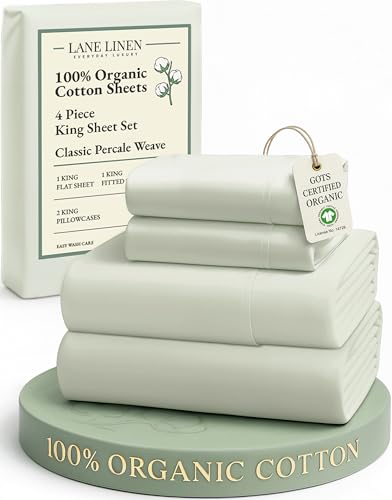

There’s a noticeable shift happening in bedrooms across the country: people are replacing synthetic bedding with natural alternatives. More specifically, organic cotton quilts have moved from boutique hotels into everyday homes, where structural integrity and year-round comfort matter most. The most reliable products I have ever recommended share one trait — they perform exactly the same in a real, lived-in home as they do in a controlled test environment. That consistency is what separates a genuinely good product from a well-photographed one, especially in the world of bedding.
Key Takeaways
- Organic cotton bedding offers a combination of natural softness and long-term durability if constructed correctly.
- Proper internal stitching and reinforced seams are crucial for preventing bunching and maintaining loft.
- Care techniques like low-heat drying and gentle detergents extend the quilt’s structural life.
- Material certification and construction methods set authentic organic cotton products apart from lower-quality alternatives.
What Makes an Organic Cotton Quilt Structurally Sound?
Understanding the Core Materials
Organic cotton quilts are prized for their chemical-free fibers and breathability, but as a structural inspector, I pay close attention to more than just the label. The quality of the cotton itself is only one piece of the equation. Long-staple cotton fibers, grown without synthetic pesticides, provide a naturally stronger base than shorter, cheaper fibers. This results in filling and outer shells that resist early wear and pilling.
Stitching Patterns and Their Impact
One of the most overlooked aspects of a well-made organic cotton quilt is the stitching. Box quilting, channel stitching, and baffle box techniques are commonly used. Each method impacts the quilt’s ability to keep filling evenly distributed. For example, box-stitched seams every 8–10 inches are ideal for locking fill in place without restricting airflow. In my inspections, loose or widely spaced seams almost always lead to cold spots and clumping within a year.
Reinforced Seams and Edge Construction
Seams along the perimeter face the most stress. Double-stitched, piped, or taped edges prevent the fabric from splitting after several washes. I’ve seen otherwise high-quality bedding ruined by a single row of weak stitches at the binding. For longevity, look for at least two tight, even lines of stitching (preferably 10–12 per inch) on every edge.

Causes of Structural Failures in Organic Cotton Bedding
Poor-Quality Cotton and Inadequate Fill
Bedding labeled as organic can still use low-grade fill or inconsistent batting, causing rapid matting or loss of loft. Inferior cotton can develop thin spots or unravel at stress points, especially if the internal batting isn’t held in place by consistent stitching. The source and processing of the cotton matter as much as the organic certification.
Insufficient Stitch Density
Fewer stitches per inch or skipped baffle patterns are a common cause of structural issues. When inspected, weakly stitched quilts show uneven surfaces and bunching after only a few wash cycles. Over time, under-stitched bedding will also lose its shape, especially around the midsection where body pressure is highest.
Exposure to High Heat and Harsh Detergents
Many people expose their bedding to high drying temperatures or strong chemical detergents, thinking it will clean more thoroughly. In reality, organic cotton fibers are more sensitive to heat above 130°F (54°C). Prolonged exposure weakens fibers, shrinks fabric, and can pull seams apart, leading to premature breakdown.

Solutions: How to Prevent Structural and Aesthetic Deterioration
Prioritize Construction Over Aesthetics
Before judging appearance, inspect the underside of the quilt and the internal seams. Authentic organic cotton bedding should have no loose threads, skipped stitches, or asymmetrical quilting. If you can feel clumps of fill or find large empty pockets, these are warning signs of poor longevity. For more inspiration on incorporating natural materials into your spaces, explore ideas for organic modern dining rooms that demonstrate solid construction and natural beauty hand-in-hand.
Wash With Care: Temperature, Detergent, and Drying
- Washing: Use cold or lukewarm water (never exceeding 90°F/32°C) on a gentle cycle with a mild, non-enzymatic detergent.
- Drying: Air dry flat when possible, or tumble dry on the lowest heat setting. Remove promptly to prevent wrinkling and fiber stress.
- Spot Cleaning: For localized stains, use a solution of water and a few drops of gentle detergent, blotting rather than rubbing.
Regular Inspection and Gentle Maintenance
- Check seams and filling monthly for any signs of bunching or separation.
- Rotate the quilt every two weeks to distribute wear evenly.
- Store in a cool, dry place when not in use. Avoid plastic bins; breathable cotton bags are ideal.
Preventive Measures for Long-Lasting Organic Cotton Quilts
Look for Genuine Certifications
Trust but verify when it comes to organic claims. Reputable certifications like GOTS (Global Organic Textile Standard) ensure not only fiber purity but also that social and environmental standards are met throughout production. Fabric must contain at least 95% certified organic fibers and avoid harmful dyes and finishing agents. Always check for label integrity and ask for certificates if possible.
Check for Uniform Fill Distribution
Inspect the quilt by holding it up to a bright light. Consistent opacity means the batting is evenly distributed. Any thin patches or visible light leaks indicate potential for cold spots and early matting. Construction details like baffle boxes (sewn-in channels) are essential for maintaining even distribution throughout years of use.
Proper Storage Techniques
- Clean thoroughly before long-term storage to prevent pest or mildew damage.
- Store in a breathable cotton bag in a low-humidity area, avoiding sunlight to prevent degradation of fibers and dyes.
- Never use vacuum-sealed storage bags, as these compress natural fill and can permanently flatten the quilt’s loft.
Integrating Organic Bedding into a Holistic Design
Organic cotton quilts are not just about comfort — they’re a key aspect of sustainable, toxin-free bedroom design. Pairing these quilts with solid wood bed frames and other natural-fiber textiles strengthens both the visual and physical integrity of the space. For additional design inspiration with a focus on organic materials and timeless structure, see our curated organic modern dining room ideas.
Frequently Asked Questions
How can you tell if a quilt is truly made from organic cotton?
Look for third-party certifications like GOTS or OEKO-TEX. Authentic products will have detailed labels specifying the percentage of certified organic fiber. Inspect the fabric for even texture and avoid items with synthetic blends or vague fiber content listings. Ask to see certification documents if you’re unsure.
What is the best way to wash bedding made from organic cotton?
Wash bedding in cold or lukewarm water (under 90°F/32°C) with a mild, unscented detergent. Avoid bleach and fabric softeners, which can damage fibers and coating. Tumble dry on the lowest heat or air dry flat. These steps help maintain both comfort and long-term structural integrity.
Do organic cotton quilts hold up to frequent washing?
They do, but only when properly constructed and cared for. High-quality stitching, uniform fill, and durable edge reinforcement are essential. Use gentle cycles and avoid high heat to minimize fiber stress. Well-made bedding of this type can withstand regular use for years, outlasting most synthetic options.
Why do some quilts bunch up or develop thin spots after a year?
This problem usually results from insufficient stitch density or poor-quality fill that migrates inside the shell. Strong, evenly spaced stitching and consistent batting prevent filling from shifting over time. Always inspect the internal construction, not just the surface, before purchase and after every season’s use.